A home that is hard to heat often suffers from insufficient attic insulation. Because warm air rises, a large share of the heat escapes through the top. When the insulation is compacted, poorly distributed or too thin, losses increase and comfort drops. The good news: an attic inspection pinpoints the problem, and an upgrade, often with blown-in fibreglass, corrects the situation.
A home that is hard to heat doesn't always lack heating power. Part of the problem may be right above your head.
The attic plays a major role in a home's energy performance. When the insulation is insufficient, compacted or poorly distributed, heat escapes more easily and comfort becomes harder to maintain. Here are the signs to watch for and the solutions that correct the situation.
Why Is the Attic So Important?
When you think about insulating, the attic should come first, and for a good reason: warm air rises, and the largest share of a home's heat escapes through the top. A poorly insulated attic acts like a sieve at the top of the house, letting the energy you pay for drift off toward the sky.
The scale of the phenomenon often comes as a surprise. It is estimated that a poorly insulated attic can account for a significant share of a home's energy losses, far more than you would imagine. It's also the place where an intervention gives the best return: because the attic is generally accessible and warm air concentrates there, every improvement translates directly into comfort and savings. Before looking elsewhere, it's therefore the first place to check.
Signs of Insufficient Attic Insulation
A poorly insulated attic doesn't always make itself obvious, but it leaves clues that we end up believing are normal. Here are a few to watch for:
- A home that is hard to heat, with uncomfortable temperatures despite the heating.
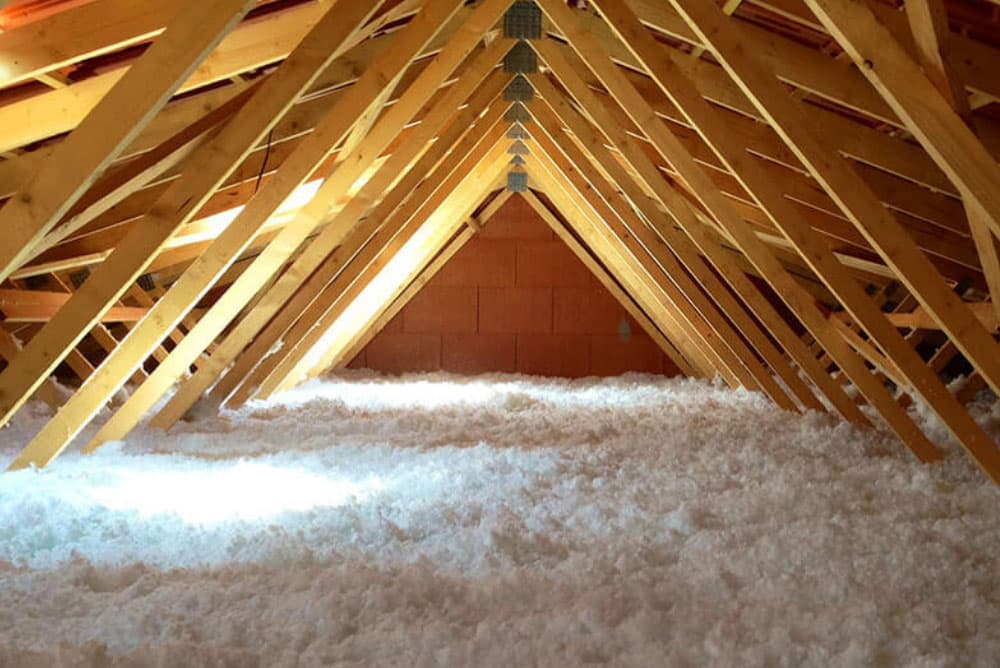
- Compacted or flattened insulation, which has lost its thickness over time.
- Visible joists in the attic, a sign that the insulation is too thin or poorly distributed.
- Condensation in the attic or traces of moisture.
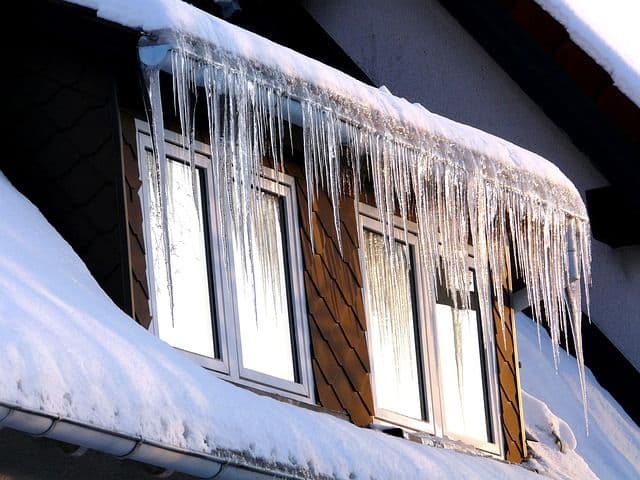
- Ice dams on the roof in winter, often linked to escaping heat.
- Mold problems, encouraged by moisture and poor insulation.
Taken individually, each of these signs may seem minor. But together, they often paint the picture of an attic that no longer fully plays its role. Recognizing them early lets you act before discomfort and the bill settle in for good.
Blown-In Fibreglass or Polyurethane?
Blown-in fibreglass is generally an effective and cost-efficient solution for evening out an attic's insulation. It allows surfaces to be covered continuously and corrects areas where the existing insulation is insufficient.
In certain areas where blown-in insulation isn't enough, sprayed polyurethane can be used as a complementary solution. The choice depends on the configuration of the attic and the problems observed during the inspection. There is therefore no single right answer: the best solution is the one that matches the real condition of your attic, and that's precisely what an inspection determines.
An Inspection Tells You What to Correct
Before adding insulation, you need to understand what is really happening in the attic. An inspection makes it possible to check the thickness and condition of the insulation, spot problem areas and determine the necessary corrections.
Adding insulation without this diagnosis risks treating a symptom without fixing the cause, or missing a moisture or ventilation problem that will hurt performance. At Solution Isolation, a technician inspects the attic and recommends the interventions that offer the best return based on the situation. It's this often-neglected step that makes the difference between insulation that keeps its promises and an expense that disappoints.
Does Your Attic Deserve an Upgrade?
A well-insulated attic means a home that is easier to heat, more comfortable and less costly to live in, season after season. Conversely, a neglected attic lets your heat and your money slip away, quietly but constantly. If your home is hard to heat, that's often the first place to look.
At Solution Isolation, we inspect your attic to identify performance losses and recommend the appropriate corrections. Request your inspection and get a quote tailored to your situation.