Caulking doesn't last forever: its lifespan generally ranges from a few years to about twenty years, depending on the product used, exposure to the climate and the quality of the installation. An exterior joint exposed to frost and sun always ages faster than a protected interior joint.
You redo your joints, forget they exist, and a few winters later you're surprised to feel a draft near a window. That's because caulking, like everything that protects a house, has an expiry date. Discreet, never written down anywhere, but very real.
So the question isn't whether your joints will wear out, but when. Understanding what determines the lifespan of caulking lets you act at the right time, before water or cold take advantage of a tired joint to invite themselves into your home.
Why caulking inevitably ages
A caulking joint lives under constant tension. The frame it surrounds never stops moving: it expands in the heat, contracts in the cold, and the house itself shifts slightly with the seasons. The sealant has to follow each of these movements, thousands of times, without ever letting go. Eventually, even the best product loses its flexibility.
Once hardened, a sealant no longer does its job: it cracks, splits or peels away, and the barrier is no longer continuous. This is a normal phenomenon, not a defect. No caulking is designed to last the entire life of a house, and that's precisely why it's part of regular property maintenance, just like a roof or exterior paint.
How long does caulking last?
There is no single figure, because the lifespan of caulking depends first on the product. An entry-level sealant can break down in just a few years, while a quality, well-suited product can last many years. Indoors, a joint protected from the weather generally lasts longer than outdoors, where it faces everything the climate throws at it.
But the product doesn't explain everything. Two neighbouring houses, with the same sealant, can see their joints age at different rates depending on their exposure and how they were installed. That's why it's better to monitor the actual condition of your joints than to rely on a theoretical lifespan. A joint that still looks good can hide the beginnings of peeling, and another can look finished while it's still holding.
What wears out your joints faster
Several factors determine whether your caulking will last five years or twenty. Knowing them helps explain why some joints give out ahead of schedule:
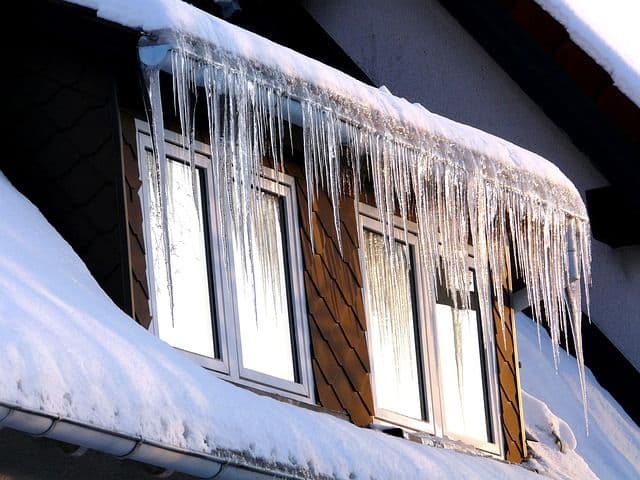
- Quebec's climate, whose freeze-thaw cycles keep joints working without respite.
- Sun exposure, whose rays slowly degrade exterior sealants.
- Product quality, since a low-end sealant has neither the flexibility nor the longevity of a suitable product.
- Installation quality, since a poorly prepared joint, or one applied on a dirty surface, never lasts long.
- Facade exposure, since south-facing facades or those facing prevailing winds wear out faster.
- Building movement, which is more pronounced in some constructions than in others.
What all these factors have in common is that exterior caulking, the most exposed, is almost always the first to need redoing. That's where you should look first.
Redoing window joints: when and why
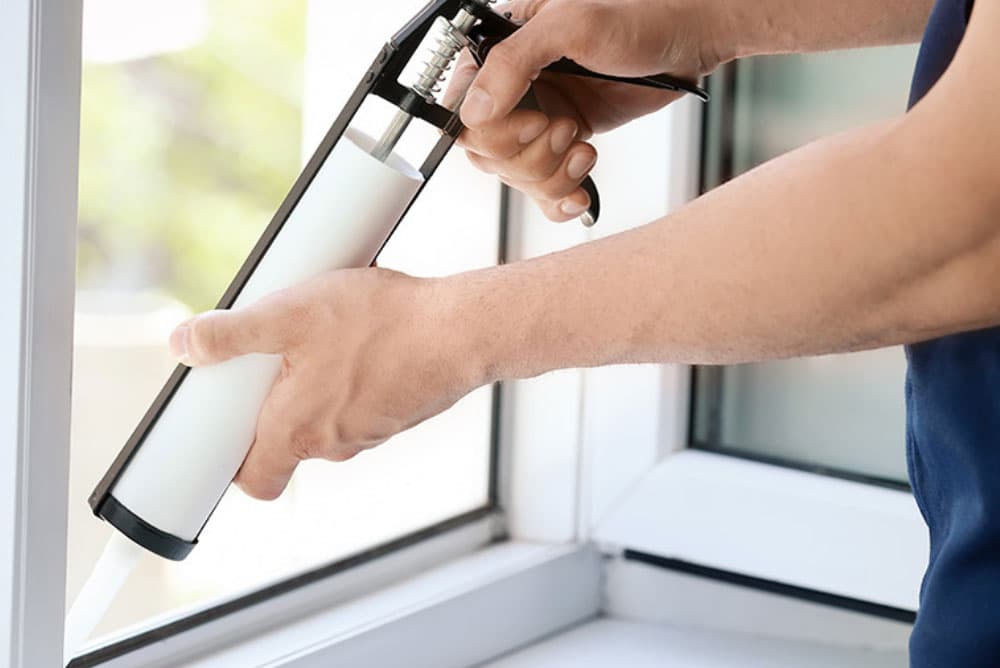
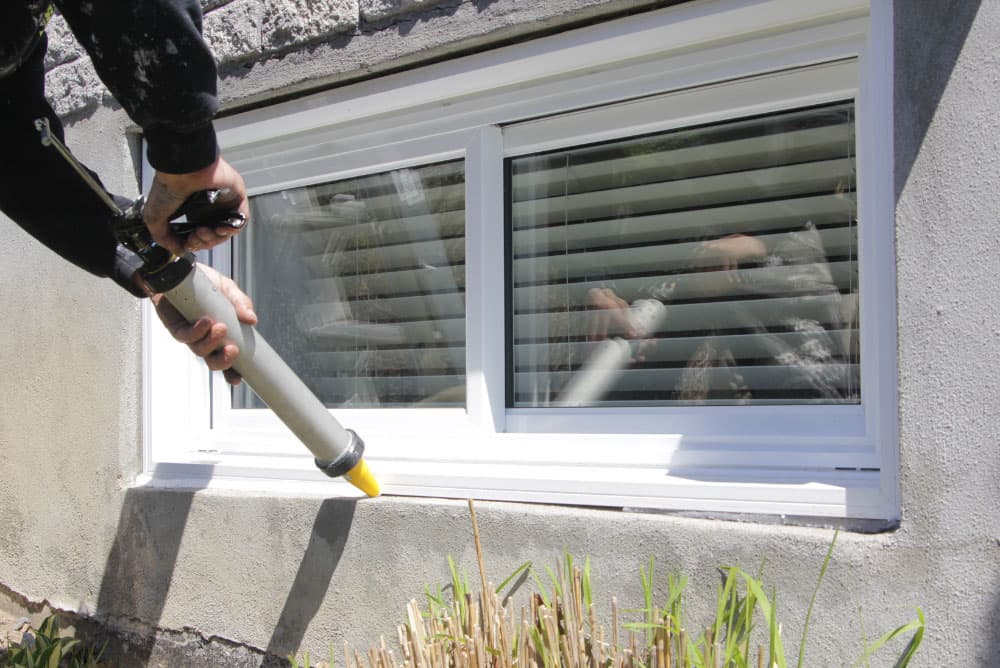
Windows are where caulking works hardest, and therefore where it tires first. Redoing window joints becomes necessary as soon as the sealant shows signs of reaching the end of its life: cracks, hardening, peeling or visible gaps around the frame. We detail these signs in our article on window caulking.
Why not simply wait? Because a failing window joint doesn't just let a draft through. It also opens the door to water, which can seep around the frame, reach the wall and cause damage far more costly than a simple joint repair. Redoing window joints in time means fixing a small problem before it becomes a big one.
A well-redone joint lasts much longer
Here's what few people realize: the lifespan of caulking depends not only on the product, but above all on how it was installed. A joint applied over the old sealant, on a dirty or damp surface, will peel off well before its time. That's often the real reason behind caulking that only lasts a season or two.
A joint redone properly, on the other hand, lasts for years. That means completely removing the old sealant, cleaning and drying the surface, choosing the right product for the substrate and the exposure, then applying it cleanly for a lasting seal. It's this method, more than the act itself, that makes the difference between a joint to redo every year and a joint you forget about for a long time.
Caulking: maintenance to plan for
Rather than waiting for the draft or the water stain, it's better to treat caulking as what it is: periodic maintenance. A simple look at your joints once a year lets you spot those that are starting to weaken and plan repairs before a problem sets in. It's also a good time to check the whole envelope.
Because joints never work alone. Together with the insulation, they form the barrier that keeps your house warm and dry. Caulking in good condition completes the work of the insulation by sealing air leaks; one without the other always leaves a weakness. Thinking about envelope maintenance as a whole, rather than joint by joint, is what truly protects a house over the long term.
Have your joints reached the end of their life?
Caulking may be discreet, but it plays a leading role: keeping water and cold out. Letting it age without keeping an eye on it means accepting that a small crack will one day become a costly leak. Redoing it at the right time protects your home for a fraction of the cost of the damage a neglected joint can cause.
At Solution Calfeutrage et Isolation, we assess the condition of your joints, identify those that need to be redone and install caulking designed to last. Request your quote today and give your home a seal that lasts through the winters, season after season.