CaulkingOctober 13, 2026
Drafts: The Cold Doesn't Always Come In Through the Window
A draft in a house is cold air seeping in through cracks and joints in the building envelope. The catch is that it rarely comes from where you feel it: the cold you feel near a window often enters through an electrical outlet, a baseboard or the attic hatch. Fixing it means tracking down the real leaks, then sealing them.
You're comfortably settled in, and yet a chill brushes your ankle. The reflex is immediate: you turn to the nearest window, hand outstretched, sure you're holding the culprit. But very often, the window is innocent, and the cold is coming in by a completely different route.
That's what makes a draft so particular: you feel it in one place while it's seeping in somewhere else. Understanding where the cold really enters, and why you feel it elsewhere, is the key to getting rid of it. Here's how to trace it back to the real source, and how to seal it for good.
Where does a draft really come from?
A draft is no accident: it's the result of a pressure difference between the inside and the outside of the house. In winter, warm air, being lighter, rises and tries to escape through the top, around the attic hatch or the ceiling light fixtures. As it escapes, it creates a slight vacuum in the lower part of the house, which in turn pulls in cold air through the smallest opening.
This phenomenon, known as the stack effect, explains one essential thing: warm air leaves through the top, cold air comes in through the bottom. That's why you so often feel the cold at ankle level, along baseboards or at electrical outlets, rather than at face height. Your house is breathing, in a way, and every gust of cold air that comes in pushes out a gust of warm air that you've paid for.
The culprit isn't always the window
The window has a bad reputation, and sometimes rightly so: a cracked seal around a frame does let air through. But blaming it every time means overlooking plenty of other culprits. The cold you feel near a window has often travelled from another entry point, pushed along by air movement inside the walls.
In reality, a cold air infiltration can take a host of paths you wouldn't suspect:
- The perimeter of windows and doors, where the frame meets the wall.
- Baseboards and the bottom of exterior walls, often poorly sealed.
- Electrical outlets and switches installed on an exterior wall.
- The attic access hatch, rarely airtight.
- Rim joists, around the perimeter of the basement floor, a major source of leaks.
- Pipe, duct and wiring penetrations through the envelope.
Each of these openings looks tiny, but added together, they can be the equivalent of leaving a window permanently ajar.
Tracking down drafts yourself
Before calling a professional, you can find the main leaks yourself. The best time is a cold, windy day, when the pressure difference is at its greatest. Slowly run your hand along window frames, baseboards and electrical outlets on exterior walls: a sudden coolness gives away a leak.
For the more subtle cases, a very simple test works well: hold a candle flame or an incense stick up to the suspicious spots. If the flame flickers, or the smoke is drawn in or pushed away, air is moving where it shouldn't. In a few minutes, you get a first map of your drafts, often full of surprises.
A cold air infiltration costs more than it looks
A draft isn't just a matter of passing discomfort. Every cold air infiltration forces your heating system to work harder to compensate, while the warm air escaping through the top takes with it the heat you've paid for. Air leaks often account for a significant share of a home's heat loss, even though they remain invisible.
There's also a more insidious effect. Where the house's warm, humid air meets a cold surface on its way outside, it can condense. Over time, this moisture encourages mold and damages materials. A simple neglected draft can therefore end up costing far more than a higher bill.
Sealing the leaks for good
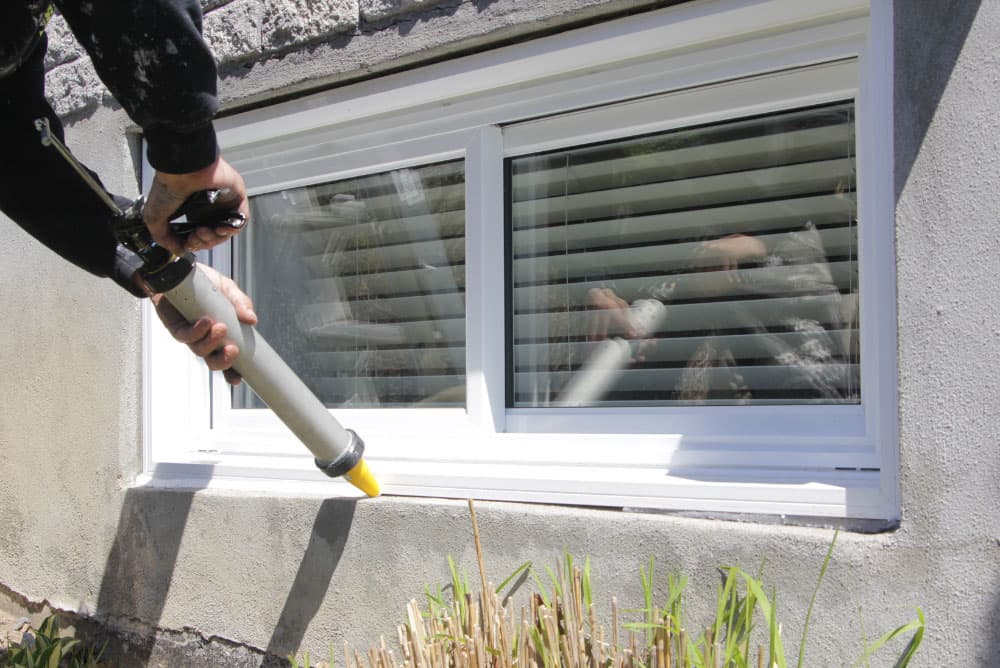
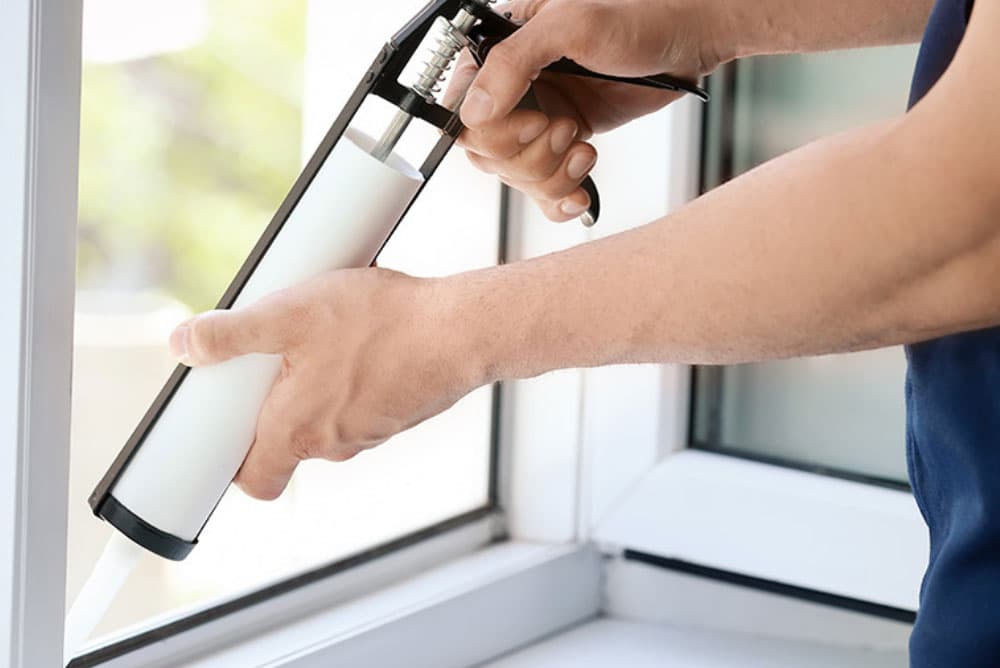
Once the leaks are found, the solution is to seal them, but not just any which way. For fixed joints, around a frame, between two materials or at a penetration, caulking is the right tool: a flexible sealant that fills the gap and blocks the air. For moving parts, such as a door or a window that opens, weatherstripping is used instead, designed to seal while letting the opening keep working.
Each type of leak therefore has its own solution, and it's by combining them that you get a truly airtight house. A professional knows which product to use where, and finds the leaks that a home test doesn't always detect, such as those hidden around the basement perimeter or behind the walls. Properly sealed, a house stops breathing through its cracks, and comfort returns almost immediately.
When a draft hides a bigger problem
Sometimes sealing the joints isn't enough, because the draft is only the symptom of something else. A house that lets in a lot of cold air often suffers, at the same time, from insufficient insulation. The two go hand in hand: air leaks through the joints, heat escapes through the surfaces, and each makes the other worse.
That's why it's worth looking beyond the simple joint. Reinforcing insulation where it's lacking, sealing large hidden leaks such as the attic hatch or the rim joists, and treating the envelope as a whole: that's what solves a draft problem lastingly, rather than putting it off for one winter. It's also the whole advantage of entrusting airtightness and insulation to the same team, able to see the house as a whole.
Silence the drafts
A draft is never a fate you have to endure, with a blanket over your knees, all winter long. It's a problem that can be found and fixed, often for a fraction of the cost of the heating it makes you waste. Tracking down the leaks and sealing them means getting back a comfortable house, with no cold spots and no unexpected shivers.
At Solution Calfeutrage et Isolation, we find the real source of your drafts and seal the leaks at the source, caulking and insulation included. Request your quote today and finally enjoy a house where the cold stays outside, where it belongs.