A house loses its heat through every surface in contact with the outdoors: the roof first, then the walls, the basement, the windows and doors, not to mention the air escaping through the smallest cracks. Reducing these heat losses takes two complementary steps: insulating the surfaces and sealing air leaks.
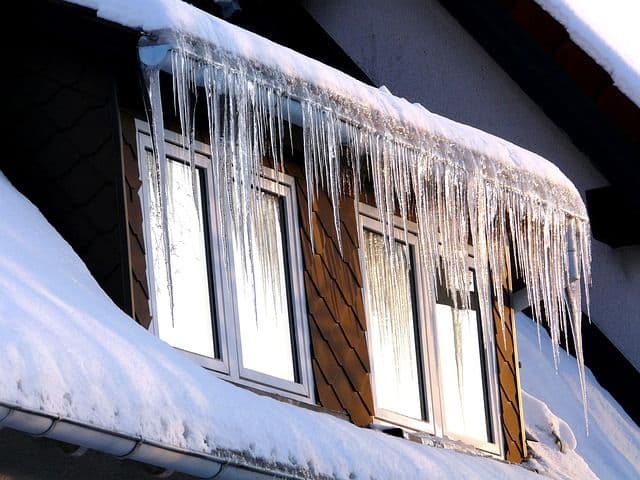
Every winter, you produce heat, and every winter, some of it escapes before it has even warmed you. A poorly protected house is a bit like a leaky bucket: no matter how much you fill it, it empties out where you aren't looking.
The problem is that these leaks are invisible. You can't see the heat leaving, you can't feel it escaping, you only notice the result: a house that's hard to heat and a bill that keeps climbing. So let's map these losses, zone by zone, to understand where your home, and your money, are evaporating.
Thermal loss: two ways to lose heat
Before drawing the map, you need to understand how a house loses its heat. Thermal loss actually follows two quite distinct paths, and this is essential, because each one is corrected differently.
The first path is conduction through surfaces. Heat slowly passes through walls, roof and floors, from warm to cold, the way it would pass through a pane of glass. This is what insulation slows down. The second path is air leakage. Warm air escapes directly through cracks, joints and junctions, carrying the heat with it. This is what airtightness, caulking, blocks. A house therefore doesn't lose its heat in just one way, but in two, and treating both is the key to a truly high-performing envelope.
The map of heat loss, from roof to basement
Now that we know how heat escapes, let's see where. Here are the main zones through which a Quebec house loses its heat:
- The roof and attic: the first source, because warm air rises and escapes through the top.
- The walls: the largest surface in contact with the outdoors, often under-insulated.
- The basement and foundations: discreet but real losses, through the bottom of the house.
- Windows and doors: through their surface, but above all around the perimeter of their frame.
- Air leaks: around openings, at junctions, at penetrations, invisible but numerous.
No two houses lose heat in exactly the same way: it all depends on age, construction and condition. But in almost every case, these five zones are where most of the home's heat loss takes place.
The big surfaces: roof, walls and foundations
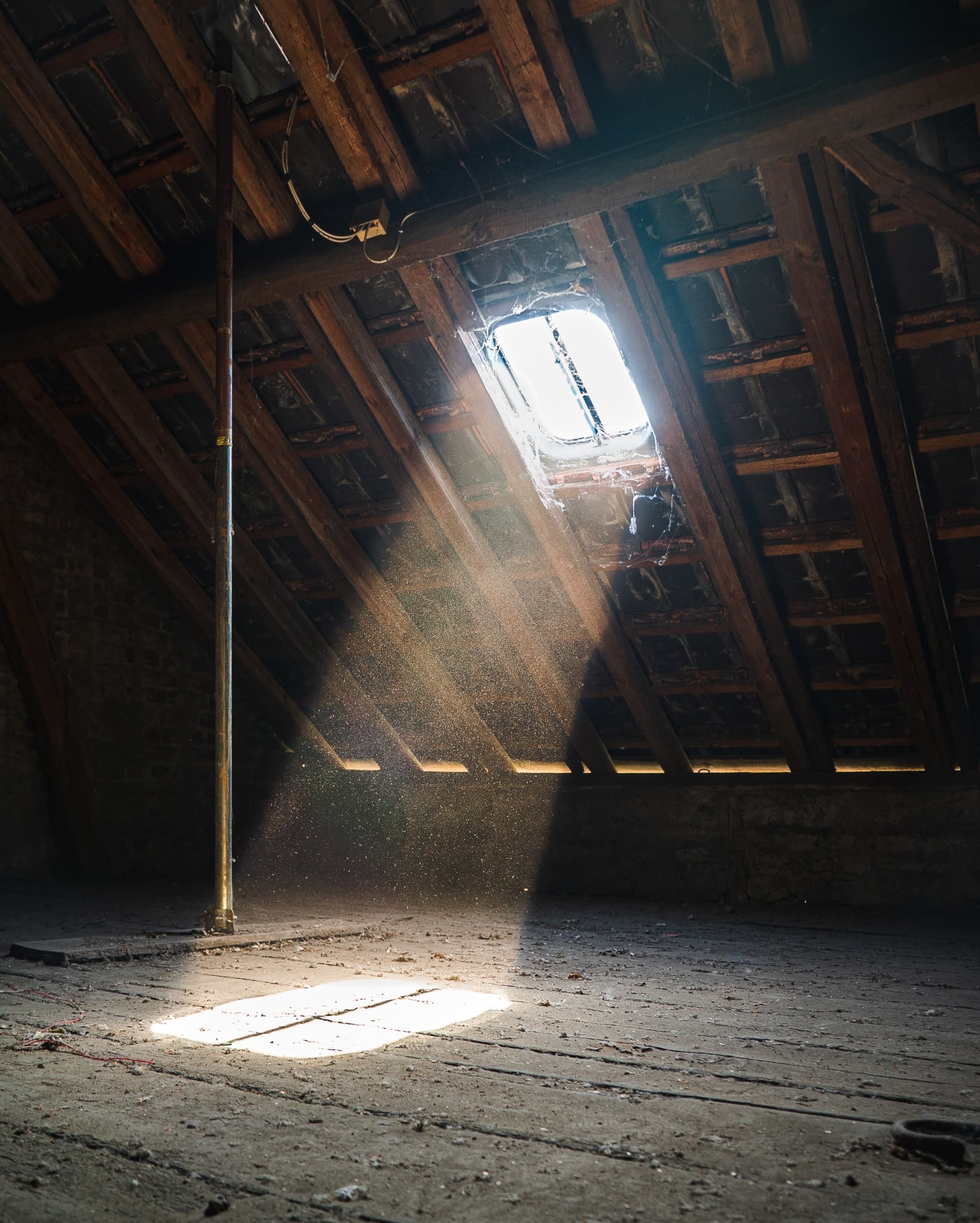
Let's start at the top, because that's where it all begins. Warm air rises, and a poorly insulated attic lets it escape through the roof. That's why the attic is almost always priority number one, and the most profitable project to start with. We detail this step in our article on attic insulation.
Next come the walls, the largest surface of the house. A poorly insulated wall is a discreet but permanent leak, spread over dozens of square metres; it's often the second priority, as we explain in our article on wall insulation. Finally, the basement and foundations are the great overlooked: they're forgotten because they're out of sight, but the cold rises through them all winter. Together, these three large surfaces account for most of the thermal loss by conduction.
Air leaks, those invisible losses
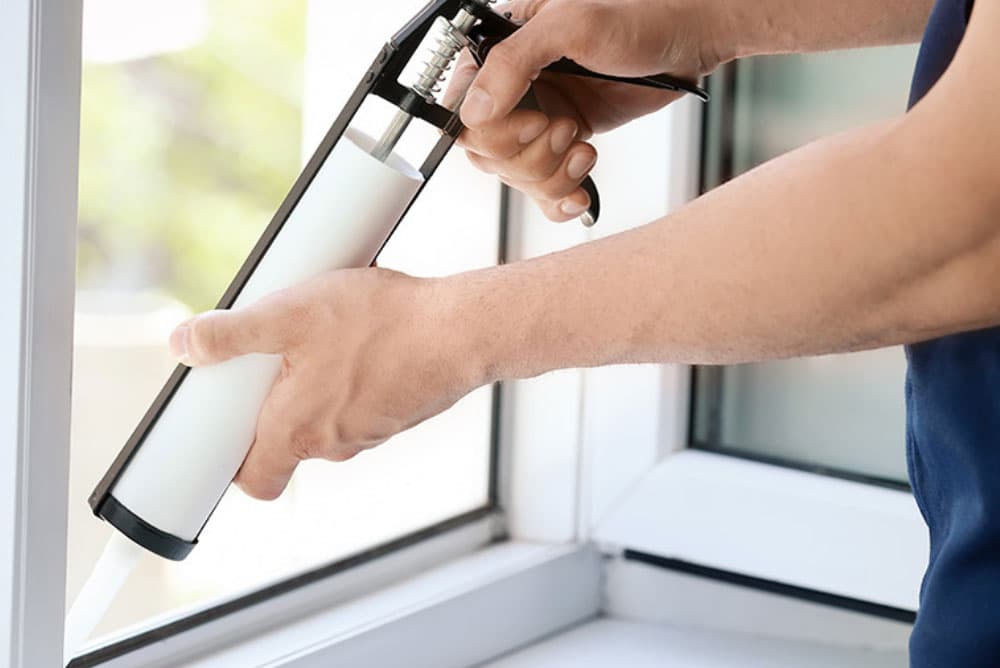
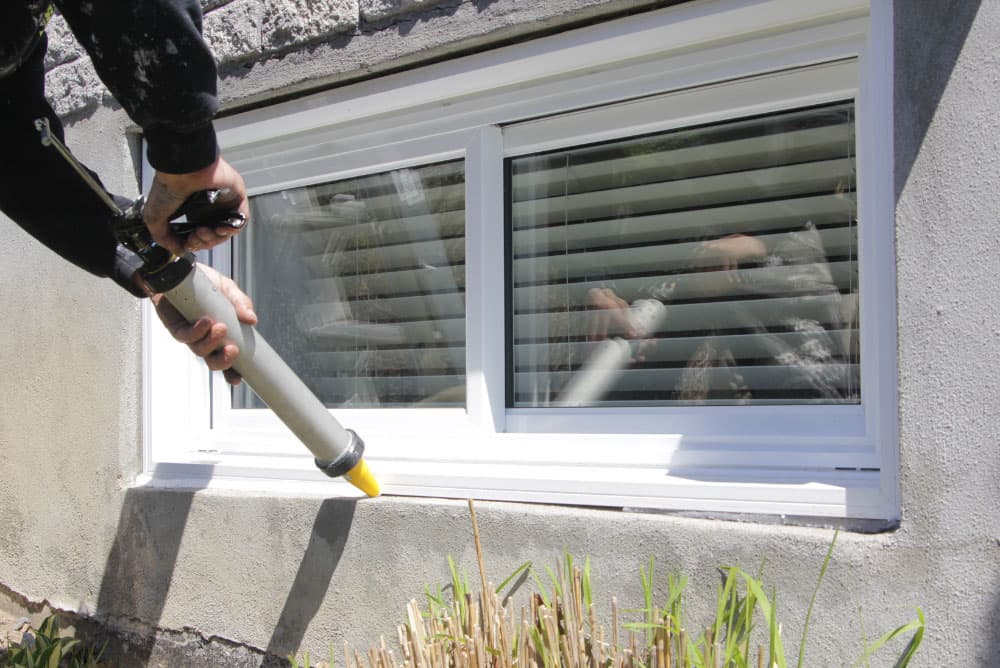
Insulating the surfaces solves one half of the problem. The other half, more insidious, comes from air leaks. Wherever two materials meet, around a window, a door, a pipe penetration or the attic hatch, warm air finds a way to escape. Added together, all these small openings can be equivalent to leaving a window permanently ajar.
This is where caulking comes in. By sealing these junctions, it cuts off the route of the escaping air and completes the work of the insulation. The most striking thing is that these air leaks often account for a significant share of the home's heat loss, even though they're invisible and easy to ignore. A house can be well insulated and still let its heat escape, simply because its joints have been neglected. That's why one should never be treated without the other.
Plugging both types of loss at once
Here is the heart of the matter. Since a house loses its heat in two ways, through surfaces and through air, you have to act on both to get a real result. Insulating without sealing is like leaving a door ajar on a well-heated room. Sealing without insulating is like patching the cracks in a wall that already lets the cold through over its entire surface.
That's precisely the advantage of treating the envelope as a whole. Insulation slows conduction through surfaces, caulking blocks air leaks at junctions, and together they form a continuous barrier. Entrusting both to the same team, able to see the house at a glance, makes it possible to tackle all the heat losses at the same time, rather than fixing one and letting another escape. That's the difference between plugging a leak and making a house truly airtight.
Where to start to reduce your losses?
Faced with all these sources of loss, there's no need to do everything at once. There is a logical order that gives the best return for the effort invested. The attic almost always comes first, because it's the biggest leak and the most affordable project. The walls and basement follow, depending on the condition of the house, while caulking the junctions accompanies each of these steps.
But no rule replaces a diagnosis. Every house has its own map of losses, and only an assessment can tell you where your heat is really escaping and what to start with. Rather than guessing or taking everything on blindly, it's better to target the costliest leaks first. That's how you turn a house that's hard to heat into one that finally keeps its heat.
Stop heating for nothing
Every degree of heat that escapes from your home is a degree you pay for without benefiting from it. Reducing heat loss means ceasing to heat the outdoors: more comfort inside, a lighter bill, and a house that stays warm without overworking the heating. It's one of the most profitable investments a homeowner can make.
At Solution Calfeutrage et Isolation, we map your home's losses and treat the envelope as a whole, insulation and caulking included. Request your quote today and finally keep your heat where it belongs: at home.