Attic remediation means restoring a healthy, dry attic by treating moisture at its source rather than on the surface. This involves identifying where the moisture comes from, eliminating it, drying out the space and, if needed, removing damaged materials before insulating again.
An attic never lies, but it speaks in a whisper. We rarely open it, so when moisture settles in, it has all the time in the world to act in silence. A musty smell, a stain on the wood, insulation that looks compressed: by the time these signs are noticed, the problem has often been going on for months.
And moisture in an attic never stays harmless. It soaks the insulation, feeds mold and attacks the roof framing. Dealing with it is not about wiping away a mark, but about understanding why it is there. That is the whole point of attic remediation: treating the cause, not just the symptom.
A Damp Attic, a Problem That Works in Silence
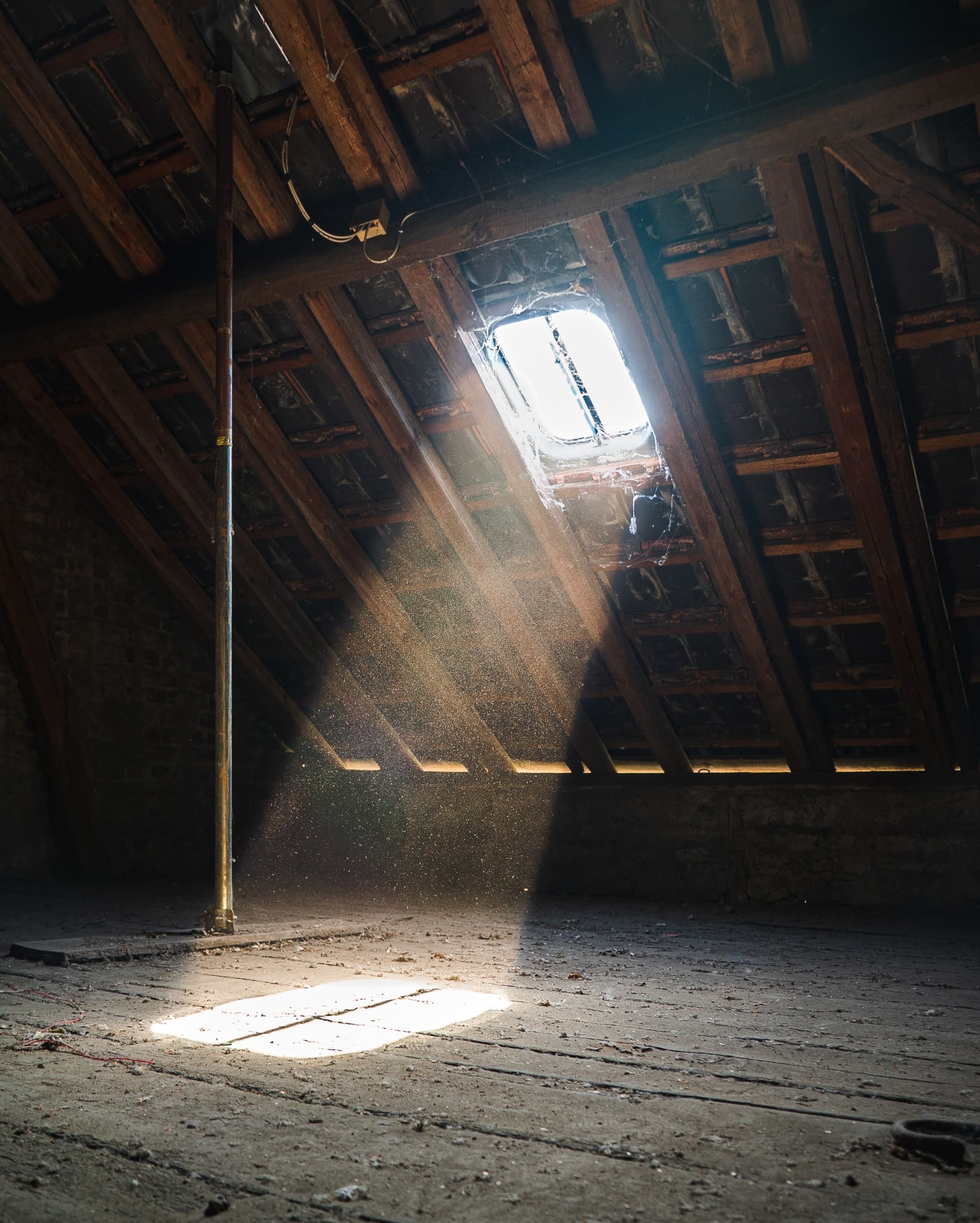
What makes attic moisture so damaging is precisely its discretion. Unlike a visible leak in a living space, a damp attic deteriorates out of sight. You keep living below without suspecting anything, while the insulation loses its effectiveness and the wood begins to suffer.
And the consequences add up. Soaked insulation insulates much less effectively, which drives up the heating bill. Stagnant moisture promotes mold, with the odours and risks that come with it. In the longer term, the roof framing itself can rot. What starts as a bit of condensation can, season after season, turn into costly repairs. Hence the value of acting early, while the problem is still limited to its cause.
Where Does Attic Moisture Come From?
To remediate an attic, you first have to know where the water comes from. And contrary to a common belief, it does not always fall from the roof. Most often, it rises from the house. Here are the most common sources:
- Warm, humid air from the house, which seeps through ceiling leaks and condenses on the cold surfaces of the attic.
- Insufficient ventilation, which prevents moisture from escaping and lets it stagnate.
- Water infiltration through the roof, around a chimney, a vent or an aging roof.
- Improperly connected fans, such as bathroom or dryer fans that discharge their humid air directly into the attic.
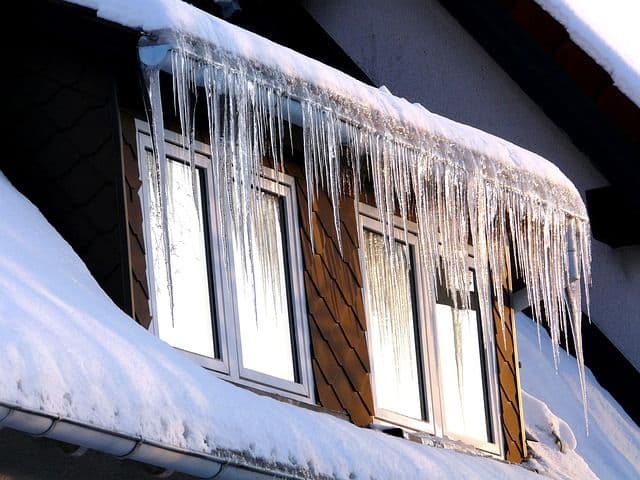
Winter condensation is one of the most common causes, to the point of deserving its own topic: we explain it in detail in our article on attic condensation. But it is only one piece of the puzzle. A good diagnosis checks all of these possibilities, because treating the wrong source solves nothing.
What Exactly Is Attic Remediation?
Many people imagine that remediating an attic boils down to cleaning a stain. In reality, attic remediation is a complete process aimed at bringing the attic back to a healthy, dry and lasting condition. Cleaning a surface without correcting what made it wet only postpones the problem.
In practical terms, this process follows a clear logic: understand where the moisture comes from, eliminate it, dry out the space, then put the attic back in good condition. Depending on the extent, this may involve removing soaked or contaminated insulation, correcting the ventilation and sealing the air leaks responsible. When mold has developed, a more thorough intervention is required, which we cover in our article on attic decontamination. The goal is always the same: an attic you can finally forget about, because it is truly healthy.
Treating Moisture at the Source, Not on the Surface
This is the heart of the matter. An attic moisture treatment that only acts on the surface is doomed to fail: as long as the source remains, the moisture comes back, often in the same place. Drying out insulation without cutting off the water supply is like emptying a bathtub without turning off the tap.
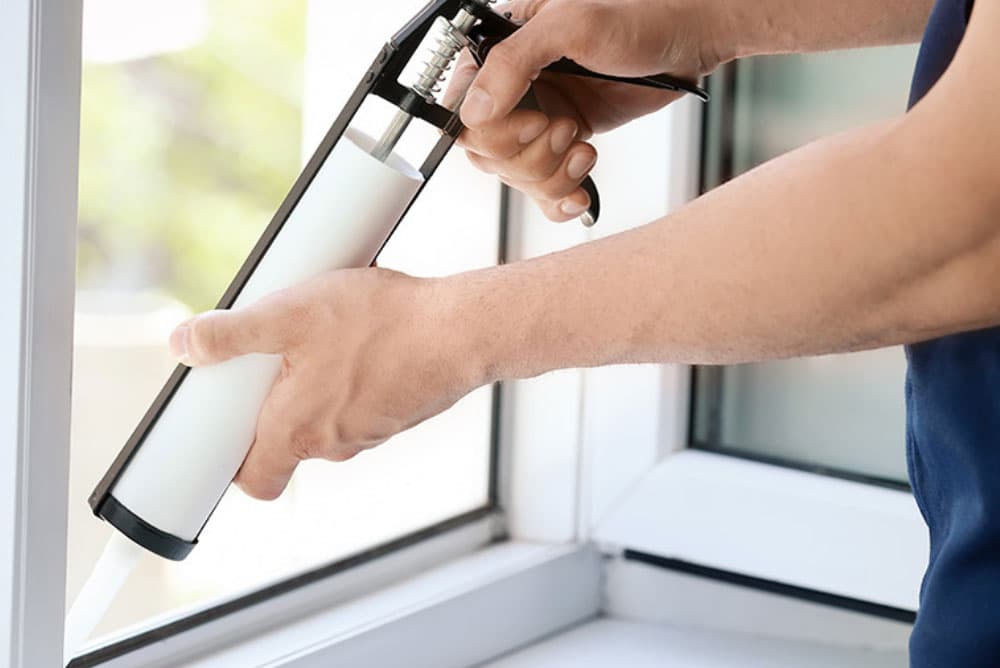
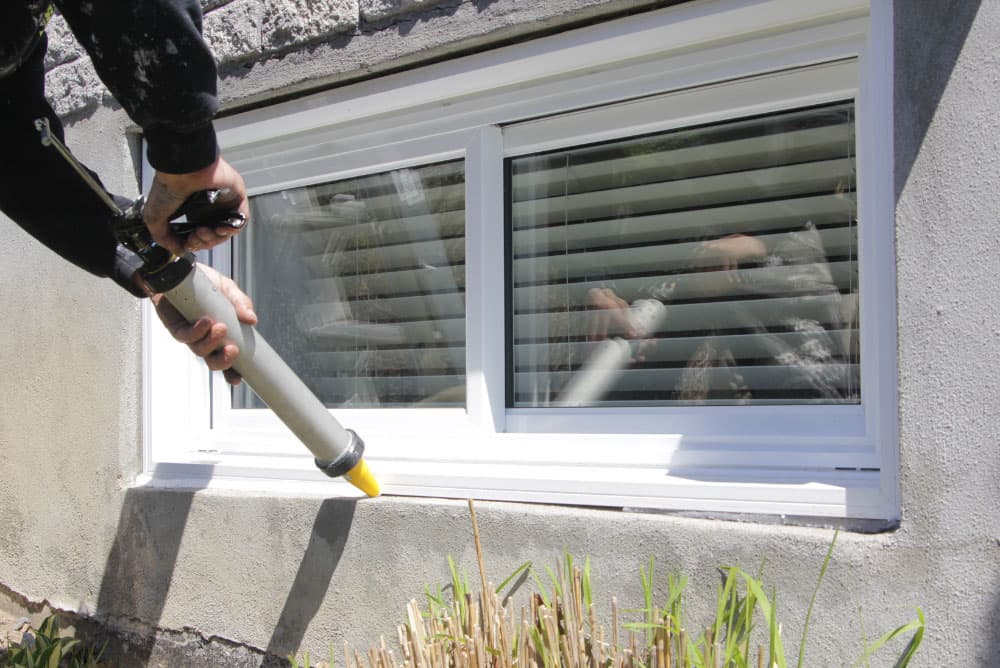
Treating at the source therefore means tackling whatever lets moisture in or lets it stagnate. This relies on three complementary levers. Sealing the ceiling air leaks through which the house's humid air rises into the attic, work similar to caulking. Restoring adequate ventilation, so that residual moisture escapes and the attic stays cold and dry. And correcting any outside water infiltration. Only once the cause is under control can you dry out, remediate and re-insulate on a healthy foundation.
The Trio That Keeps an Attic Healthy
An attic stays healthy when three elements work together: air-tightness, ventilation and insulation. Air-tightness stops humid air from rising, ventilation removes what remains, and insulation limits the cold surfaces where moisture condenses. Neglecting one immediately weakens the other two.
That is why attic remediation should never be thought of in isolation. Dealing with moisture is also an opportunity to bring the attic up to standard for good: sealing, ventilating and insulating with one consistent approach. Treating these elements together, rather than one at a time, is what distinguishes a truly remediated attic from a problem that has simply been covered up. It is also the whole advantage of entrusting air-sealing and insulation to the same team, able to see the attic as a whole.
Never Insulate Over Moisture
This is the most expensive mistake. Faced with a cold attic, the reflex is sometimes to add insulation. But if the moisture has not been treated, you are only trapping it under the new layer, where it keeps doing its work, this time completely hidden.
Insulation installed over a damp attic gets soaked in turn, loses its effectiveness and can feed mold, while the wood stays exposed. The problem resurfaces later, worse and far more costly to fix. It is precisely to avoid this scenario that every project should begin with an assessment of the attic's actual condition. Remediate first, insulate second: the order is not negotiable.
Give Your Attic Healthy Air Again
A healthy attic protects much more than itself: it preserves your insulation, your roof framing, your bill and the air quality of the whole house. Letting moisture settle in means accepting a problem that grows in silence; remediating it means getting back an attic you can finally stop watching over.
At Solution Calfeutrage et Isolation, we assess the condition of your attic, find the source of the moisture and treat it at the source, air-sealing and insulation included. Request your quote today and give your attic, and your whole house, a healthy, dry environment at last.