InsulationOctober 13, 2026
Polyurethane Insulation: When the Insulation Becomes a Barrier
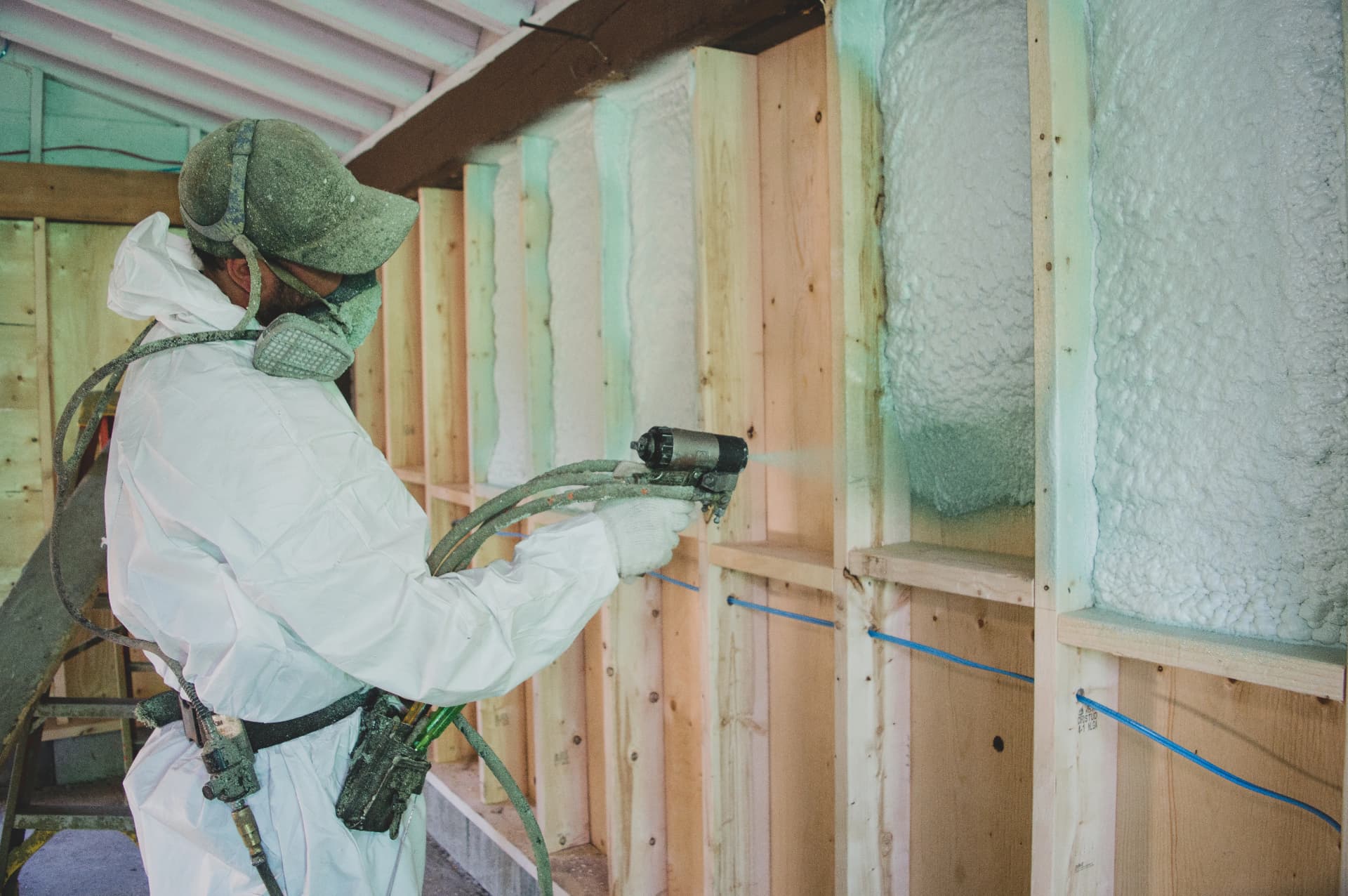
Polyurethane insulation, also called spray urethane, is a sprayed foam that expands on contact with the surface and hardens within seconds. What sets it apart: it insulates and air-seals in one step, hugging every nook and cranny, which makes it one of the best-performing insulations per inch.
Most insulations simply fill a space. Spray urethane seals it. Applied as a liquid, it expands, works its way into the smallest crack, then hardens into a continuous layer that leaves no gap and no path for air.
This double action, insulating and sealing at once, is why polyurethane insulation holds a place of its own among insulation materials. Here is how it works, where it performs at its best in an attic, and why it requires professional installation.
What Is Spray Urethane?
Spray urethane is a polyurethane foam sprayed directly onto the surface to be insulated. Two liquid components mix at the spray gun's nozzle and react instantly: on contact, the product expands, gains volume and hardens into a solid, continuous material.
This behaviour is what makes it unique. Where loose-fill or batt insulation is placed in a space, urethane flows into it and adapts to it. It fills irregular cavities, works around obstacles and adheres to the surface, without leaving the gaps that other insulations sometimes leave behind. Once hardened, it forms an insulating skin that becomes one with its substrate.
An Insulation That Seals While It Insulates
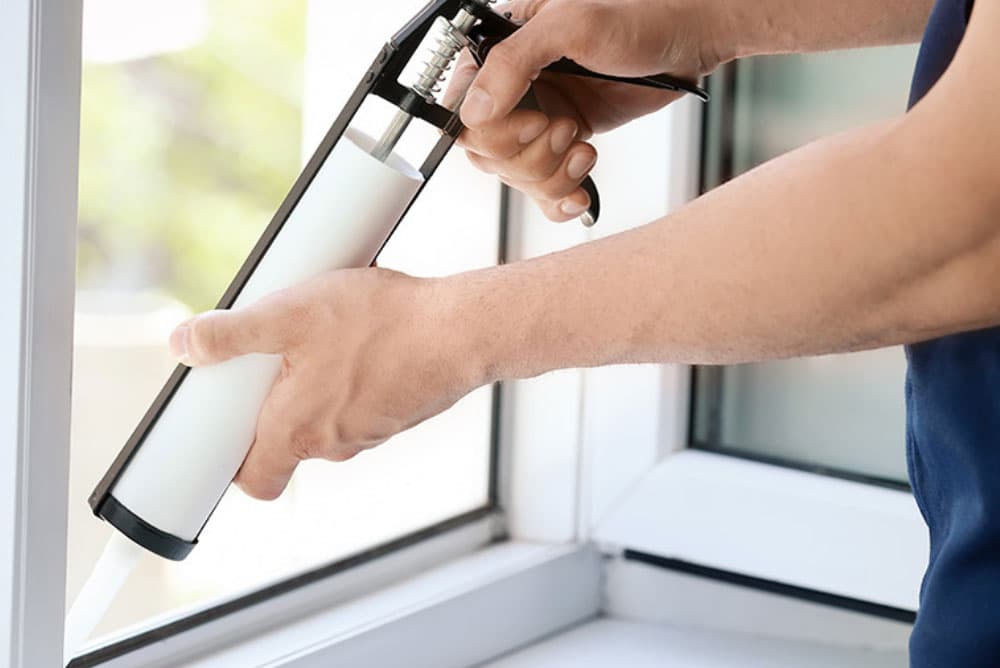
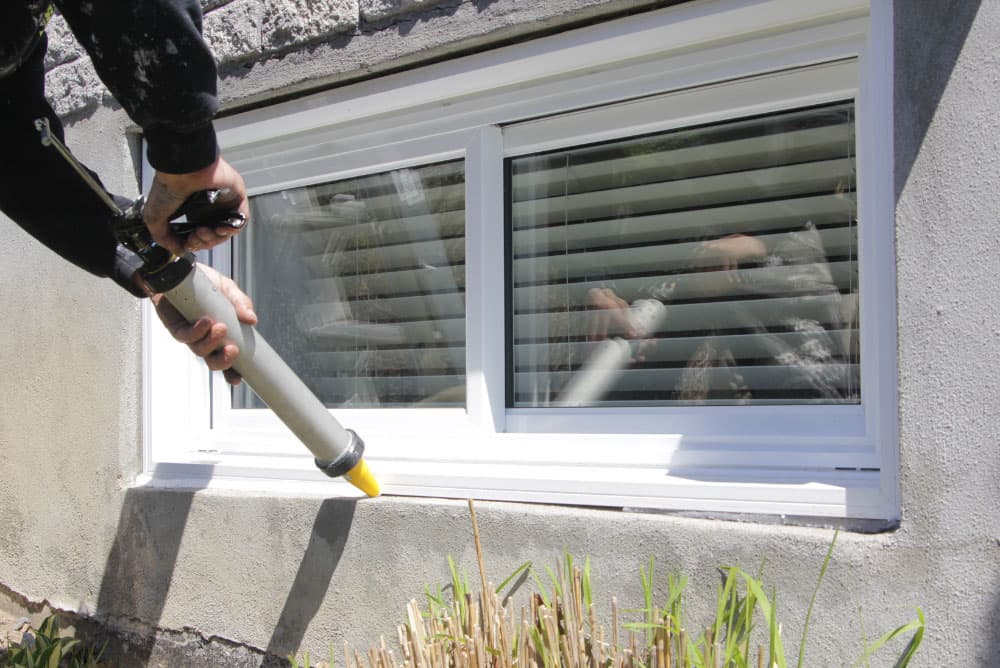
Here is what truly sets polyurethane insulation apart from the others. A conventional insulation slows heat loss through surfaces, but air keeps seeping in through joints and cracks. That is, in fact, why caulking exists: to seal what the insulation does not block.
Spray urethane does both in a single operation. As it expands, it seals cracks and junctions, then as it hardens, it forms an air barrier. Insulating and air-sealing become one and the same step. In an attic, where some areas are hard to seal, this is a valuable asset: wherever urethane is applied, air-tightness is taken care of at the same time as insulation.
The Best Performance in the Least Space
Spray urethane has another major advantage: it offers one of the best R-values per inch among common insulations. In other words, it insulates more with less thickness. That is a decisive advantage wherever space is tight.
In an attic, some areas with low clearance or difficult access leave little room for insulation. Where a thick layer of another material would be needed, a thinner layer of urethane may be enough to reach the same level of protection. This concentrated efficiency often makes it a logical solution for the cramped spots of an attic that are otherwise difficult to treat.
Where Spray Urethane Really Makes a Difference
In an attic, spray urethane can be used when blown-in fibreglass cannot effectively treat certain areas. Its ability to hug surfaces and create a continuous layer makes it a complementary solution when air-tightness and insulation must be handled with precision.
At Solution Isolation, the choice of material always depends on the situation observed in the attic. In the majority of cases, blown-in fibreglass offers an excellent cost-benefit ratio, while polyurethane may be recommended in places where blown-in insulation is not enough.
Open-Cell or Closed-Cell?
There are two main families of spray urethane, and the choice depends on the use. Closed-cell urethane is dense and rigid: it offers the highest R-value, resists water and acts as an air and vapour barrier. It is the preferred type for applications exposed to moisture or when a high-performance barrier is sought.
Open-cell urethane is lighter and more flexible. It insulates well, dampens noise better and generally costs less, but it is more permeable and offers a lower R-value per inch. Determining which one suits your situation is part of the assessment, because a wrong choice can harm both performance and durability.
A Job for Specialists, Never a DIY Project
Spray urethane relies on a precise chemical reaction, and that changes everything. The mixing of the components, the thickness applied, the surface temperature and the ventilation of the premises must all be controlled for the foam to cure properly and deliver its full performance. A sloppy installation can lead to uneven insulation, lingering odours or performance well below the material's potential.
That is why urethane is always applied by certified installers, in compliance with current standards, with the required protective equipment and a re-entry period after the work. It is never a weekend project. A preliminary assessment confirms that urethane is the right choice, lets you select the appropriate type and allows a safe, lasting installation to be planned.
Urethane, One Piece of a Larger Whole
As high-performing as it is, spray urethane is not necessarily the best solution for an entire attic. In many situations, blown-in fibreglass offers an excellent cost-benefit ratio and provides uniform, high-performance coverage.
The key is therefore to choose the right insulation for the situation observed. An attic inspection makes it possible to assess the condition of the existing insulation, spot problem areas and determine whether blown-in fibreglass, polyurethane or a combination of the two is the most appropriate solution.
Ready to Insulate with the Right Material in the Right Place?
Polyurethane insulation is a remarkable choice where air-tightness, performance and space matter most. Properly used and properly installed, spray urethane seals and insulates in a single step, for lasting comfort and a lighter bill. It still has to be used in the right place, and installed by expert hands.
At Solution Isolation, we inspect your attic to determine the type of insulation best suited to its layout. Blown-in fibreglass, polyurethane or a combination of solutions: our team recommends the option that offers the best performance for your situation. Request your quote today.