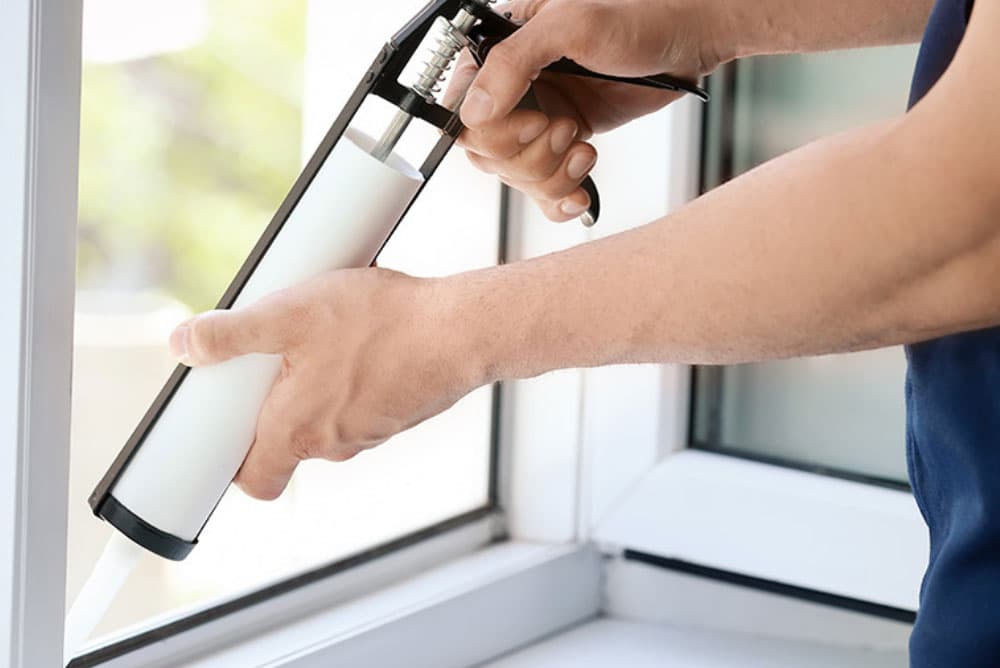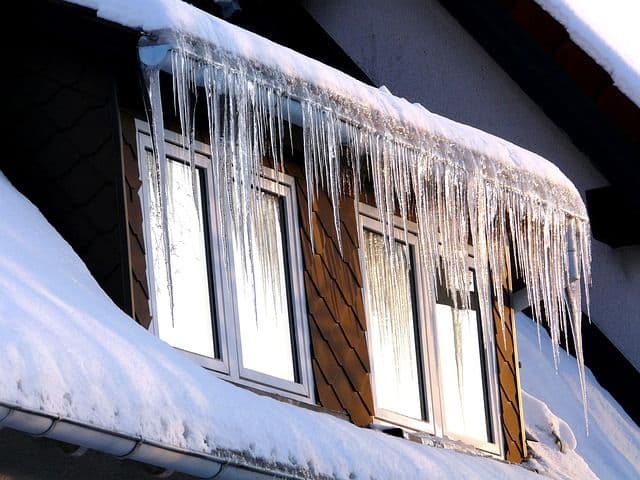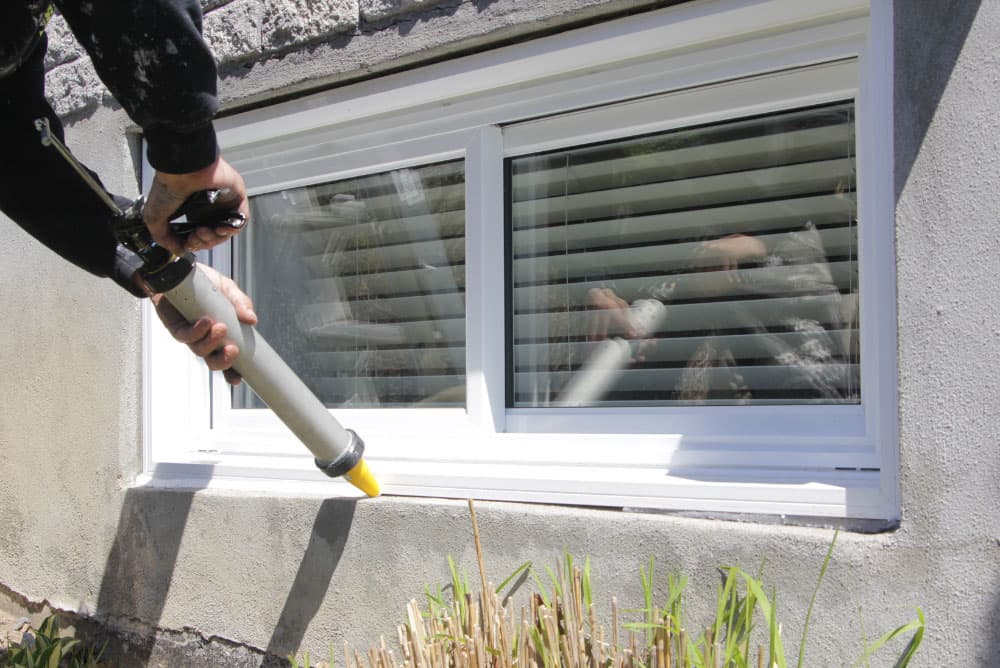
Window caulking is the thin bead of sealant around each frame that, on its own, separates the comfort of your home from the cold outdoor air. When it's in good shape, you forget about it. When it weakens, air leakage around windows sets in: drafts, rooms that are hard to heat and a bill that keeps climbing.
It's often the first culprit when a room stays cold despite the heating. Before blaming the furnace or thinking about replacing your windows, it's worth looking at this discreet seal. Here's how to recognize caulking that's reached the end of its life and why it deserves your attention before winter.
The Window, a Natural Weak Point in the Home
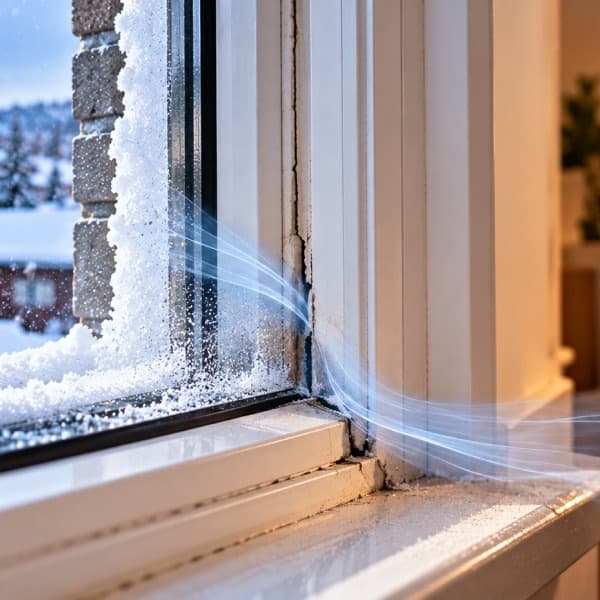
A window, by nature, is an opening in an otherwise closed wall. No matter its quality, there is always a junction between the frame and the structure, and that's precisely where air tries to get through. The job of window caulking is to seal that junction and make the perimeter perfectly airtight.
Over the years, this seal is put to the test. The frame expands and contracts with the seasons, the house shifts slightly, and the sealant eventually loses its flexibility. One day, it cracks or peels away, and the barrier is no longer continuous. The window itself hasn't changed, but its perimeter has stopped doing its job.
Recognizing Air Leakage Around a Window
Air leakage around a window isn't always obvious, but it can be spotted through several clues. Here are the most telling ones, especially in cold or windy weather:
- A cold draft felt when you pass your hand near the frame.
- A glass pane or sill that's icy to the touch in winter.
- Persistent condensation around the edges of the window.
- Cracked, hardened or peeling sealant visible around the frame.
- A room that's harder to warm up than the others.
- A slight whistling sound on very windy days.
A simple home test often confirms the diagnosis: hold a candle flame or a thin ribbon near the edge of the window on a windy day. If it flickers, air is getting in, and the caulking is probably to blame.
What a Poorly Sealed Window Costs You

Air leakage may seem harmless, but its effects add up. The most obvious one is the bill: the cold air coming in forces your heating to work harder to maintain the same temperature, winter after winter. Part of what you pay for in energy escapes around the perimeter of your windows.
Comfort suffers just as much. A room full of drafts never really warms up, and you end up abandoning it or turning up the thermostat to compensate. On top of that comes a more discreet risk: the condensation caused by these cold spots can, over time, damage frames and encourage mold. A failing seal isn't just a matter of drafts; it's a small leak that costs you dearly on every front.
Why Windows Come Unsealed Over Time
Caulking never gives way by chance. First, there are the constant movements of the frame: each cycle of heat and cold makes it swell slightly and then shrink, and the sealant around it has to follow that movement thousands of times. In the long run, a product that has lost its flexibility ends up cracking.
The Quebec climate speeds everything up. Sunlight degrades exterior sealants, while freeze-thaw cycles work on the joints relentlessly. Poor-quality caulking, or caulking that was simply applied badly in the first place, ages even faster. That's why a seal redone properly, with the right product, lasts for years, whereas an improvised repair rarely holds for more than a season or two.
Caulk or Replace the Window?
Faced with a window that lets the cold through, the temptation is sometimes to replace everything. Yet in many cases, the problem doesn't come from the window itself but from its caulking. Redoing the seal is a simple, affordable job that fixes a good share of air leaks, without the cost of a full replacement.
Replacement is justified when the window is truly at the end of its life: rotted frame, permanently fogged glazing, failing mechanisms. But before getting to that point, freshly redone caulking always deserves to be considered first. It's often the most economical way to get an airtight window again, and it avoids replacing something that could still serve for years.
The Right Time to Redo Your Caulking
Caulking is ideally planned for mild, dry weather, in the fall or spring. Sealants adhere better and cure properly at moderate temperatures, whereas extreme cold or humidity complicates the application and weakens the result. Redoing your seals before winter arrives also means enjoying the cold season nice and warm, without drafts.
That said, a major leak should never wait for the perfect season. A seal that lets in water or large amounts of air deserves to be dealt with quickly, even if it means a targeted fix while waiting for ideal conditions for a complete job. The important thing is not to let a small leak turn into costly damage over the months.
What to Expect After the Work
The change is felt almost immediately. From the first cold days, rooms that used to be full of drafts become more comfortable and hold their heat better. The chilly feeling near the windows disappears, and you stop turning up the thermostat to compensate for a stubborn room.
Over time, it's the heating bill that reflects the benefit, as you stop paying for the air that used to escape. Add to that the protection of the house itself: less condensation, and therefore less risk for the frames and the appearance of mold. Good window caulking is one of those discreet jobs that, once done, are forgotten, because they work silently, season after season.
Window Caulking That Lasts
Good window caulking can't be improvised. It starts with removing the old sealant that has become ineffective, then cleaning and drying the surface, because a new seal applied over a dirty or damp surface won't hold. Next comes the choice of product, suited to the frame material and to its exposure, indoor or outdoor.
Finally, the application calls for precision: a regular, smoothed bead that adheres well on both sides of the junction and stays flexible to accommodate the movements of the window. It's this method, more than the gesture itself, that sets apart a seal that gets through the winters from one that has to be redone every year. Properly executed, caulking gives your windows back the airtightness they had on day one.
Ready to Silence the Drafts?
If your windows let the cold in, the solution is often simpler and less costly than a replacement. At Solution Calfeutrage et Isolation, we locate the leaks and redo your seals with the right product, for airtightness that lasts over time.
It all starts with a no-obligation assessment to pinpoint the windows that are costing you heat and comfort. Request your quote today and get back to warm rooms, without drafts or nasty surprises on the bill.