Every fall, the same scenario plays out in many homes: you turn up the heat, but some rooms stay cool and the bill climbs for no apparent reason. Windows are often suspected, sometimes wrongly. The real culprit is frequently elsewhere, in invisible air leaks spread throughout the house.
These leaks let warm air escape and cold air creep in, without you ever seeing them. Before the cold sets in for good, it's worth knowing where your home is losing air, and how to find it. Here is what to look for.
Detecting Air Leaks, in Brief
An air leak is a passage, often tiny, through which air moves between the inside and the outside. Added together, these small openings can sometimes amount to the equivalent of a window left ajar all winter. You can spot some of them yourself by watching for a few signs, but an airtightness test carried out by a specialist can pinpoint them precisely.
Once found, they are fixed with caulking, sealing of openings or added insulation, depending on the case. Solution Isolation offers a free inspection to take stock of the situation. In other words, the first step is not to plug gaps at random, but to know where to act.
What Is an Airtightness Test?
The airtightness test, also called a blower door test, is a diagnostic method that puts the house under pressure using a fan installed in a doorway. By changing the indoor pressure, air movement is exaggerated, which brings out the spots where air escapes. The specialist can then locate the leaks and measure the building's overall airtightness.
This type of test is commonly used in residential energy assessments. It turns a vague feeling, a house that doesn't heat well, into concrete information about your home's heat loss. You then know precisely what to fix, rather than guessing.
Where Air Leaks Hide
Leaks almost always concentrate in the same places, where one material meets another. During a walk through the house, the spots to check are:
- Around windows and doors.
- The attic access hatch.
- Recessed lights in the ceiling.
- Electrical outlets and switches on exterior walls.
- Where pipes, ducts and wires pass through.
- The joint between walls and foundations, and the baseboards.
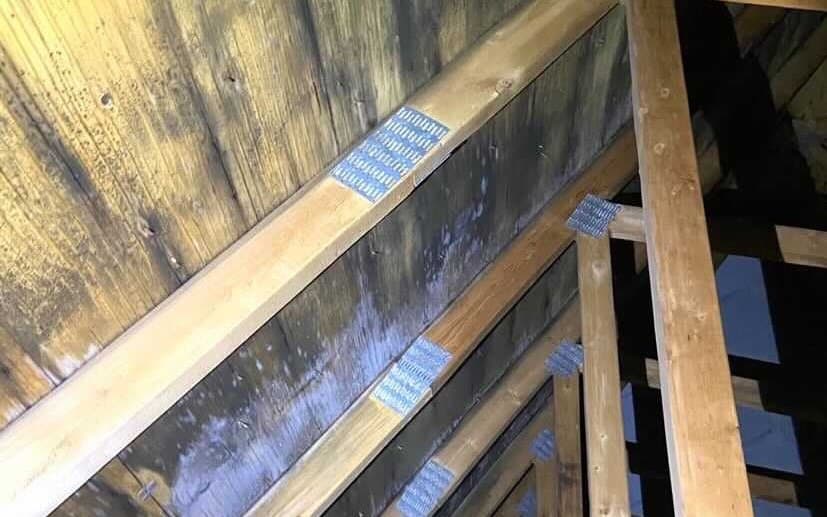
Many of these spots, such as the attic hatch, recessed lights and ducts, are exactly what ceiling air-sealing work targets. They are also at the heart of the phenomenon described in the article on drafts in the house.
Signs You Can Spot Yourself
Even without equipment, certain clues already give away leaks. A hand held near a window frame or a baseboard on a cold day can sometimes feel air moving. A room that is always harder to heat than the others, a feeling of cold walls or drafts around your feet all point in the same direction.
Other signs are more subtle: dust or cobwebs that build up near a crack often indicate constant air movement. Taken on their own, none of these clues is proof, but together they justify a closer look before winter.
Why Act Before the Deep Cold
An air leak costs you in every season, but it weighs the most in winter. The greater the temperature difference between inside and outside, the faster the air escapes and the harder the heating system has to compensate. A small leak that's tolerable in October becomes a source of cold and expense in January.
Taking action before the deep cold also lets you work in better conditions, and head into winter with a home that's already ready rather than scrambling to plug gaps once the mercury has dropped. That is the spirit of the approach described in the article How to Prepare for Winter: anticipate rather than endure.
Sealing Without Suffocating the House
A common reflex is to want to seal everything so that not the slightest draft gets through. The idea comes from a good intention, but it calls for an important nuance. What you want to eliminate are the unwanted leaks in the building envelope, not the ventilation the house needs to stay healthy.
A house that is too tightly closed, without enough air renewal, can see moisture and odours build up. The goal is therefore not to eliminate all air movement, but to control it: block the unnecessary passages while keeping adequate ventilation, especially in the attic. It is this balance, and not airtightness at any cost, that keeps a house both comfortable and healthy.
Finding Is Good; Fixing Is Better
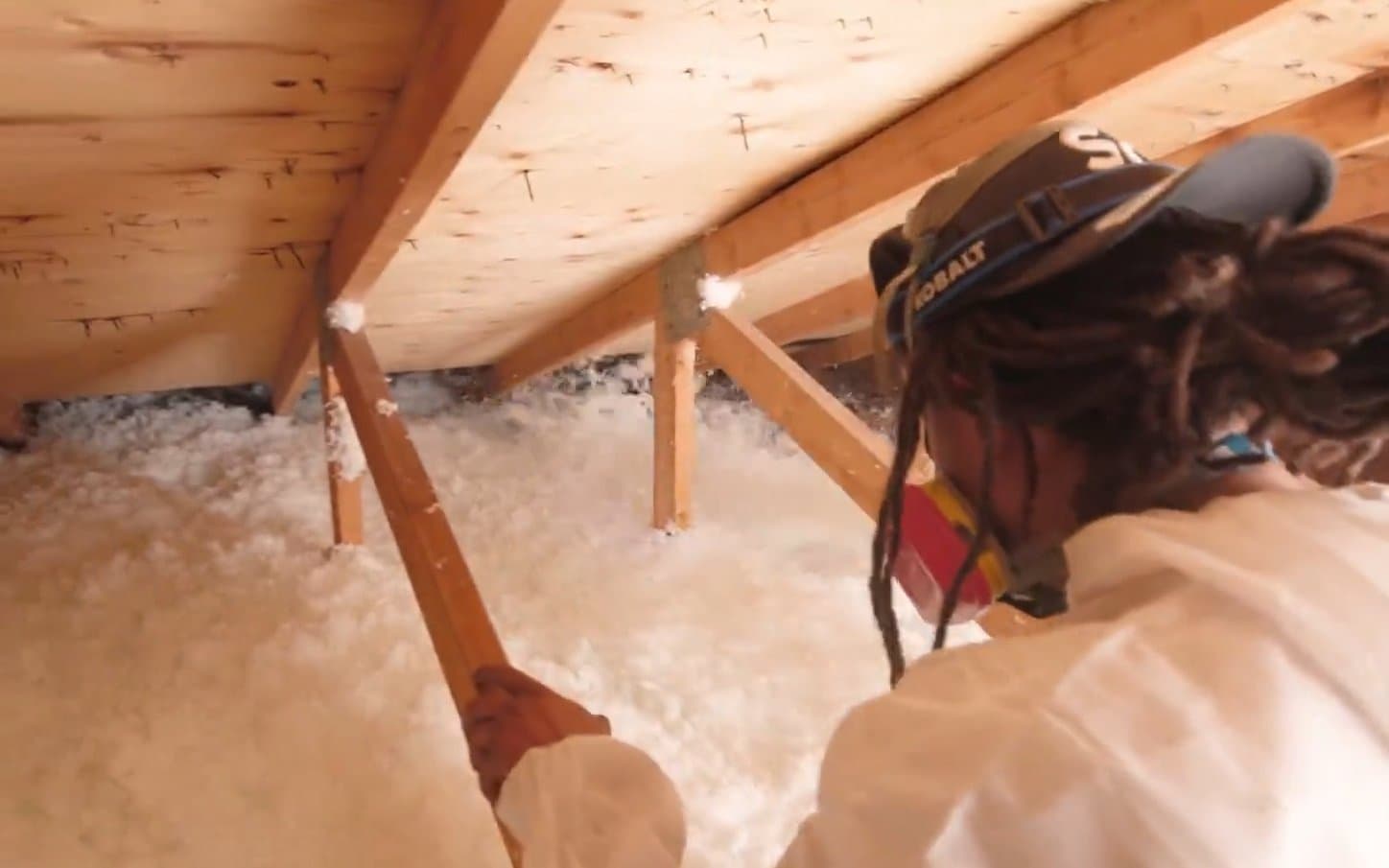
Locating leaks is only worthwhile if you fix them. Depending on where they are, the solution involves caulking and sealing openings, sealing air leaks at the ceiling, or reinforcing the insulation where it's lacking. Often, a combination of the three gives the best result.
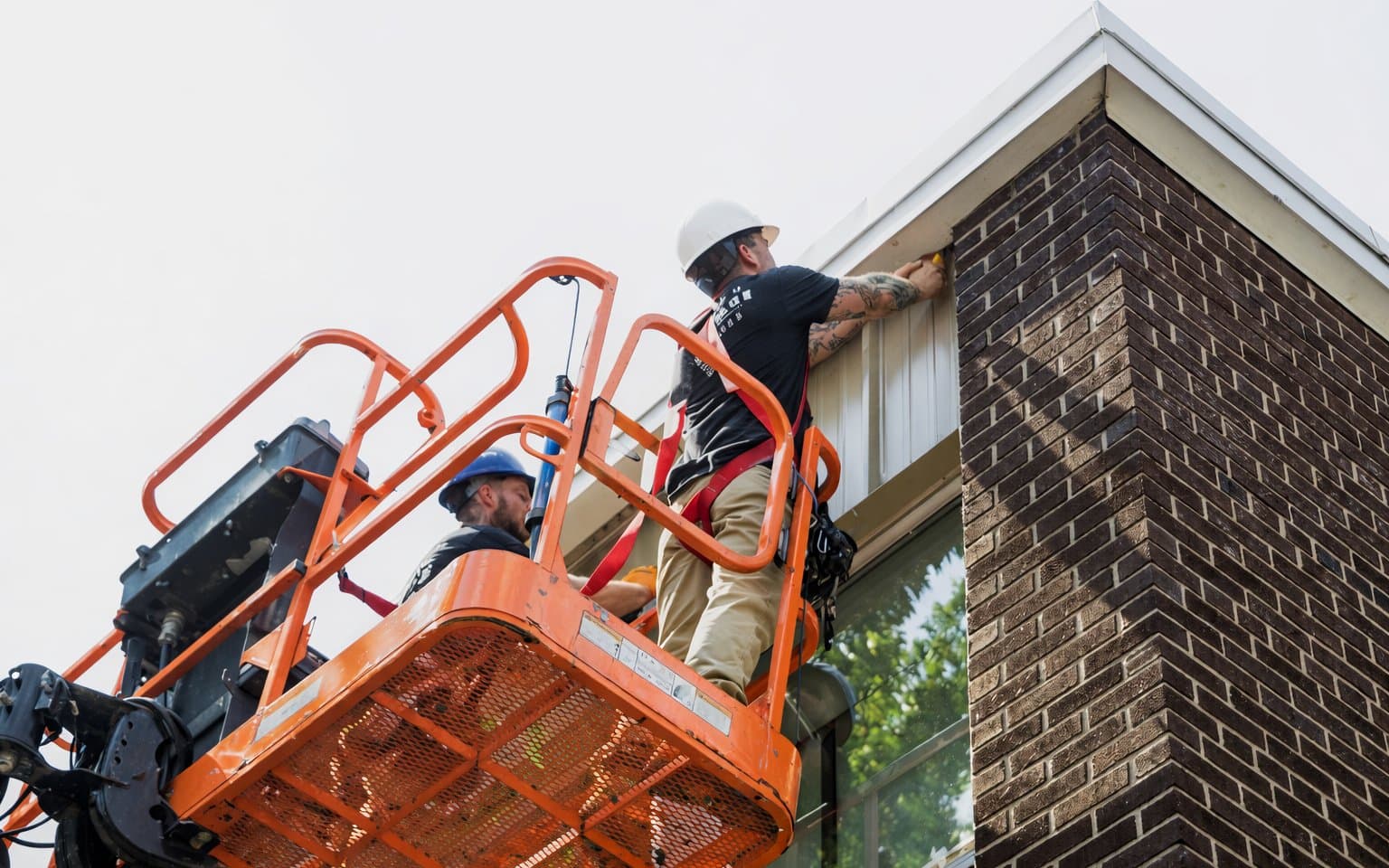
The advantage of entrusting detection and correction to the same team is consistency: each leak is treated with the right method, without limiting yourself to the windows or forgetting the attic. The house then gains in comfort as much as in efficiency, from the very first winter.
A Hard-to-Heat Home? Find Out Where It Breathes
Air leaks are discreet, but their effect on comfort and on your bill is not. Finding them before winter means avoiding cold rooms, drafts and heating costs higher than necessary.
To find out where your home is losing air, start with an inspection. Request a free quote from Solution Isolation. Serving the South Shore, Quebec City, Gatineau and all across Quebec, the team finds the leaks and fixes them, from caulking openings to reinforcing the insulation.