With the first cold snap, one detail shows up in many homes: fog on the windows, especially in the morning. The instinct is often to see it as a caulking problem and to want to redo the seals as quickly as possible. Sometimes that is indeed the right answer. Often, it is not.
Window condensation is a useful signal, provided you read it correctly. Before taking on any work, it is worth understanding what it is really telling you, because not all fogging is fixed the same way. Here is how to tell the difference.
Window Fog at a Glance
Condensation on a window comes from humid air meeting a cold surface. In most cases, it mainly points to excess humidity inside the house. Sometimes it goes hand in hand with air leaks around the frame, and that is where caulking comes in. And when the fog forms between the two panes, the cause is the window seal (sealed glass unit), not the exterior joints. Reading the right clue avoids redoing caulking that will not change anything about the problem.
In other words, fog does not always point to the same culprit.
Three Possible Causes of Window Fog
Before acting, you need to pinpoint where the condensation comes from. Three scenarios come up most often.
Indoor humidity. This is the most common cause. Cooking, showers, drying laundry and breathing all load the air in the house with moisture. When that air meets the cold surface of a pane, it condenses. The fog then forms on the inside, on the glass, and mainly signals a need to ventilate better or to reduce the ambient humidity.
Air leaks around the frame. If cold air slips in between the window and the wall, it creates a cold zone that encourages condensation and discomfort. Here, the problem lies at the joints, and redoing the caulking or the airtightness of the openings truly corrects the situation. This is also what feeds the drafts in the house.
The window seal. When fog appears between the two panes of a double-glazed window, it means the seal holding them together has failed. No caulking will fix that: it is a problem with the window itself, and a glass specialist is the one to deal with it.
How to Tell Where the Fog Comes From
Fortunately, the location of the condensation says a lot about its cause. A quick look often lets you pinpoint it before you even call anyone.
If the fog is on the inner face of the pane, the one you can wipe, and it appears mostly in the morning or in humid rooms, it points to ambient humidity. If it comes with drafts felt around the edge of the window, dry or cracked joints and a feeling of cold along the frame, it rather reveals an air leak that caulking can fix. And if the droplets are trapped between the two panes, impossible to wipe away, it is the sign of a failed seal. This simple sorting steers you toward the right fix rather than toward random work.
When Redoing the Caulking Really Helps
Caulking plays a specific role: it seals the perimeter of the window to block air and water leaks. It therefore becomes the right solution when condensation comes with drafts felt near the frame, visibly cracked, dry or peeling joints, or traces of moisture at the bottom of the window.
Since a seal does not last forever, redoing it before winter is also a sensible preventive measure, even without marked fogging. The article on the lifespan of caulking details when a seal reaches the end of its life.
What Caulking Does Not Fix
It is just as important to know where caulking stops. If the fog comes from excess indoor humidity, redoing the seals will change nothing. The solution then lies in simple everyday habits, such as airing out after a shower or cooking, using the range hood and avoiding drying laundry indoors, along with proper ventilation of the house. And if the condensation is trapped between the panes, it is the window that needs to be assessed, not its perimeter.
Sorting things out avoids a useless expense and directs the effort to the right place. That is also why successful caulking starts with a good diagnosis, even before technique, as the article How to Caulk Properly points out.
When Fog Becomes a Problem
Occasional condensation is nothing to worry about. It is its persistence that is the problem. Moisture that lingers day after day around the windows eventually damages the frames, blisters the paint and makes the wood of the sills swell.
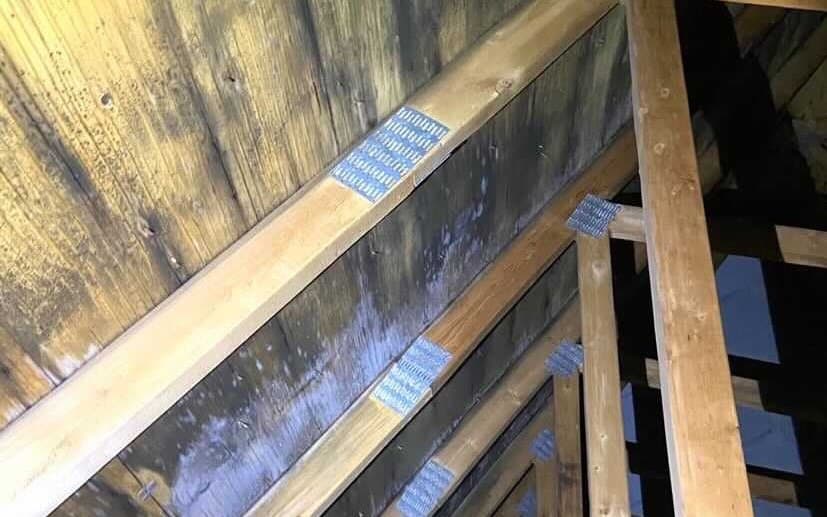
In the longer term, these constantly damp areas become a breeding ground for mould, first around the edges, then sometimes further out. It is the same mechanism, on a smaller scale, as the one described in the article on mould in the attic. Acting early on the cause keeps today's fog from becoming tomorrow's damage.
Act Before the Deep Cold
Once the cause is identified, timing matters. If worn seals are letting air through, it is better to redo them before the mercury drops, both for comfort and to keep moisture from settling in all winter. Caulking applied in good temperature conditions also holds up better over time, as the article on window caulking notes.
Heading into winter with well-sealed windows means a few degrees of comfort gained and a lighter heating bill. All that remains is to make sure you are treating the right cause, and not the most visible symptom.
Fog on Your Windows? Start With the Right Diagnosis
Window condensation is not inevitable, but it deserves to be understood before anyone reaches for the caulking gun. Between excess humidity, an air leak and a failed seal, the solution is never the same. Reading the sign correctly means acting once, in the right place.
If you notice fog, drafts or tired seals around your windows, have the situation assessed. Request a free quote from Solution Isolation. With a presence on the South Shore, in Quebec City, in Gatineau and across Quebec, the team handles caulking and the airtightness of openings to get your home ready for the cold.