When it's time to improve an attic, almost all the attention goes to insulation. We add insulation, aim for a better thermal resistance, and consider the job done. Yet half of the system often stays in the shadows: attic ventilation.
A well-insulated but poorly ventilated attic can perform worse than you'd expect, and can even create new problems. Insulation and ventilation aren't opposites; they complement each other. Here's why ventilation deserves as much attention as the insulation itself.
Attic ventilation in brief
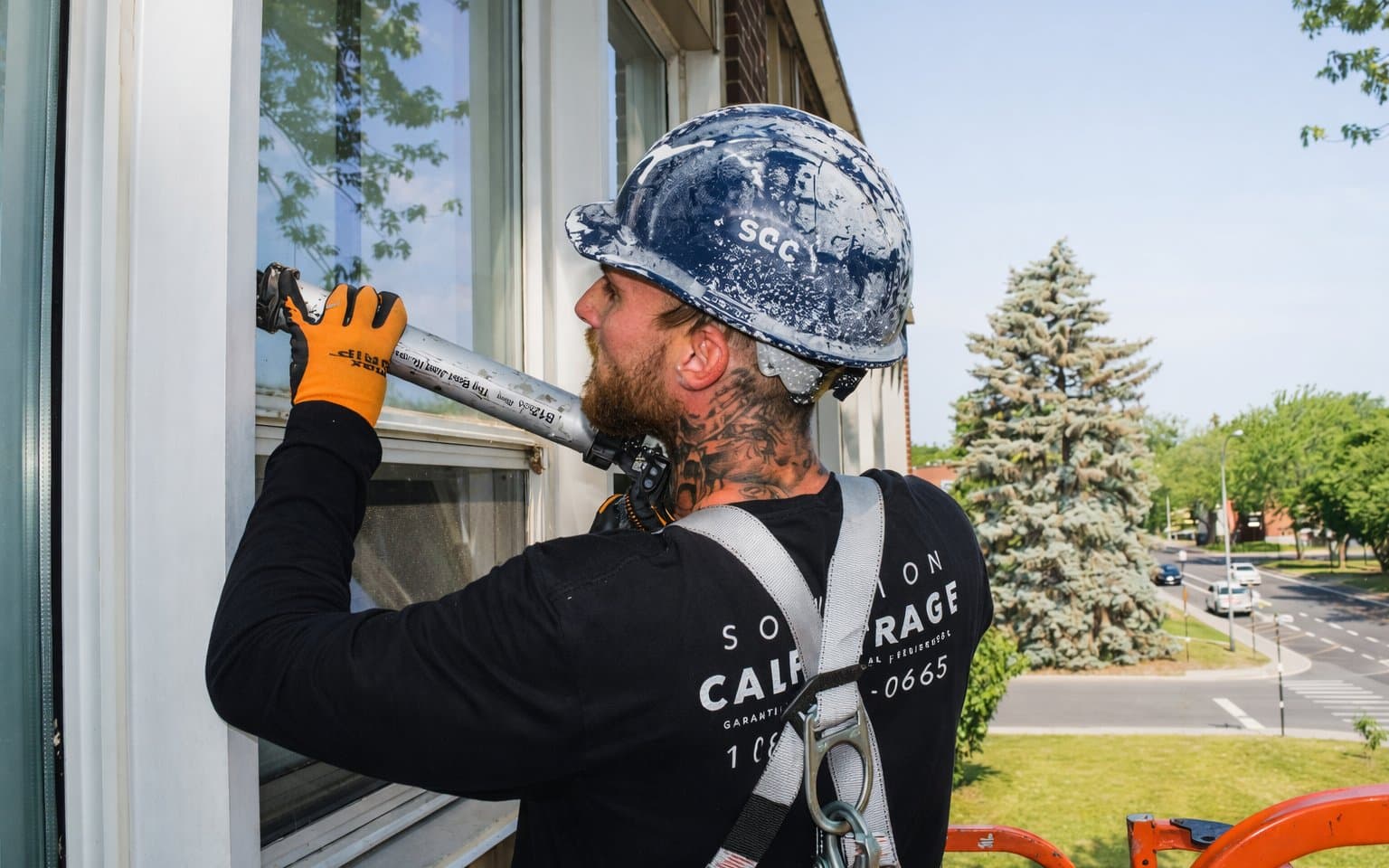
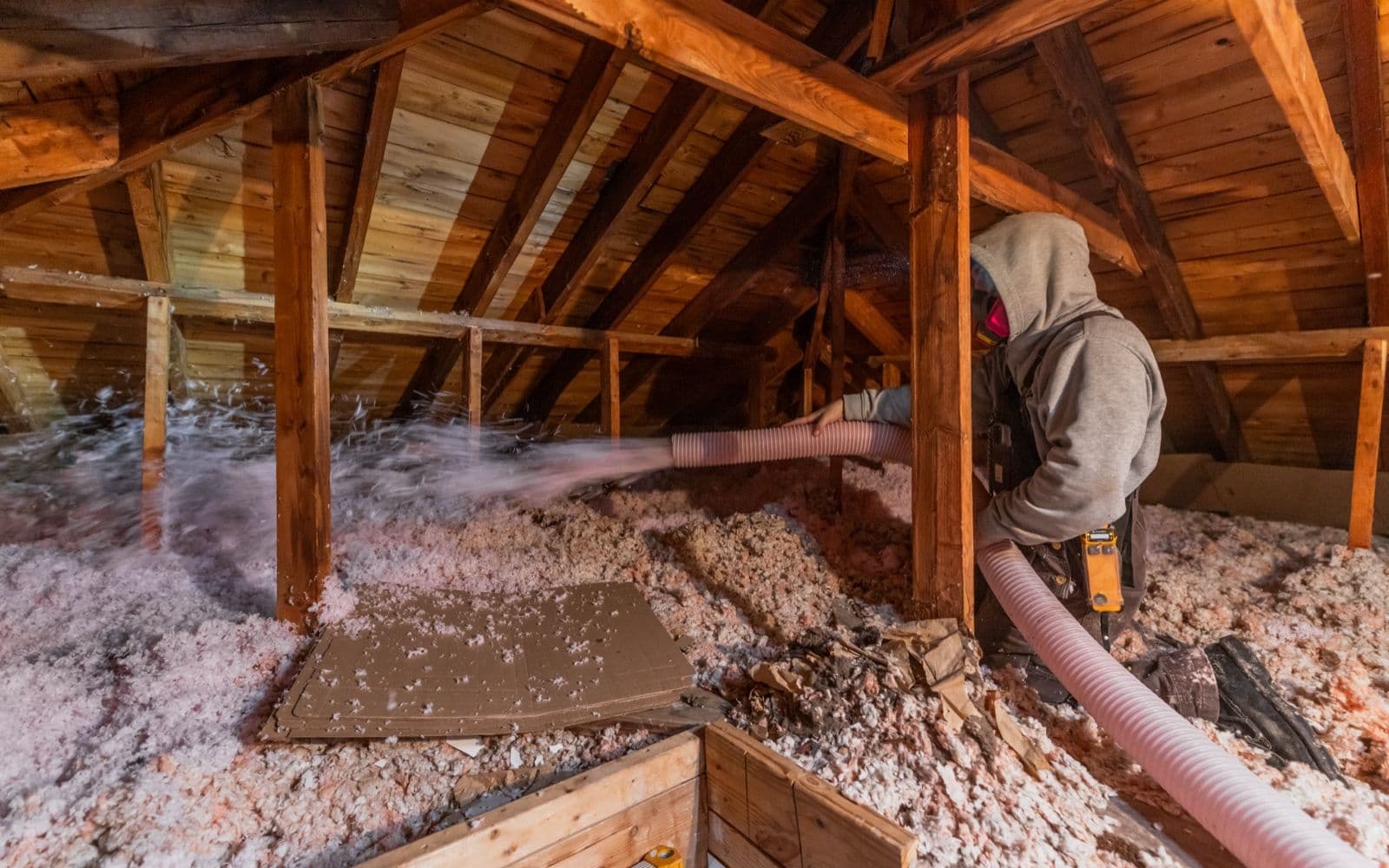
Ventilating the attic means letting air circulate freely between the underside of the roof and the insulation. This airflow carries away the moisture that rises from the house and keeps the attic at a temperature close to the outdoors: cold in winter, less stifling in summer. Without it, moisture builds up, the insulation works less effectively and condensation sets in. At Solution Isolation, clearing the soffits and installing ventilation baffles are among the steps that go along with proper attic insulation.
In short, ventilation doesn't replace insulation: it makes sure insulation does its job.
Insulation and ventilation: a pair, not a choice
The idea seems counterintuitive. Why let air circulate in an attic you've just insulated better? Because each of the two functions plays a different role. Insulation keeps the heat inside the house, where you want it. Ventilation, for its part, makes sure the attic space above the insulation stays dry and at the right temperature.
When you insulate without ventilating, the heat and moisture that still reach the attic have no way to escape. They linger, condense and end up harming the insulation as well as the structure. That's why a good attic insulation project always takes both aspects into account at the same time.
What attic ventilation is for
Its usefulness shows in every season. In practical terms, proper ventilation helps to:
- Carry away the moisture that rises from the house before it condenses.
- Keep the attic cold in winter, which limits snow melt and ice dams.
- Reduce heat buildup under the roof during the summer.
- Extend the life of the roof and the insulation by keeping them dry.
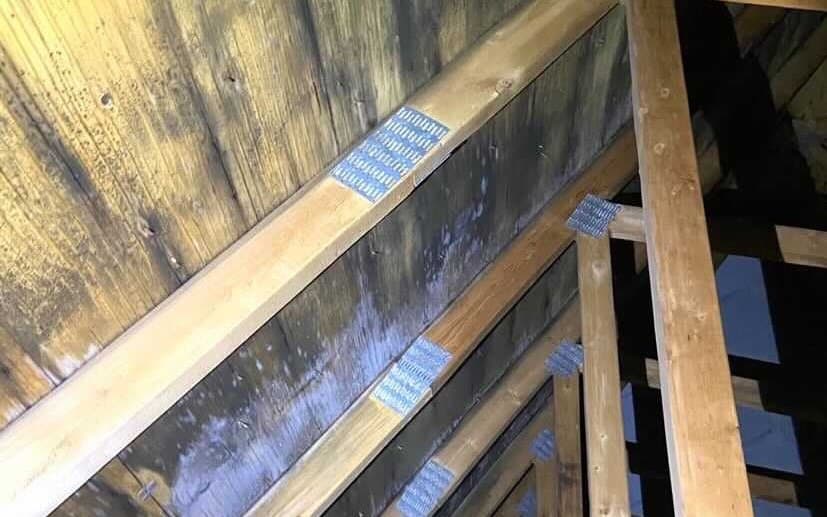
It's often the lack of this air exchange that explains the appearance of attic condensation, a problem that is wrongly blamed on insufficient insulation alone.
How air moves through a well-ventilated attic
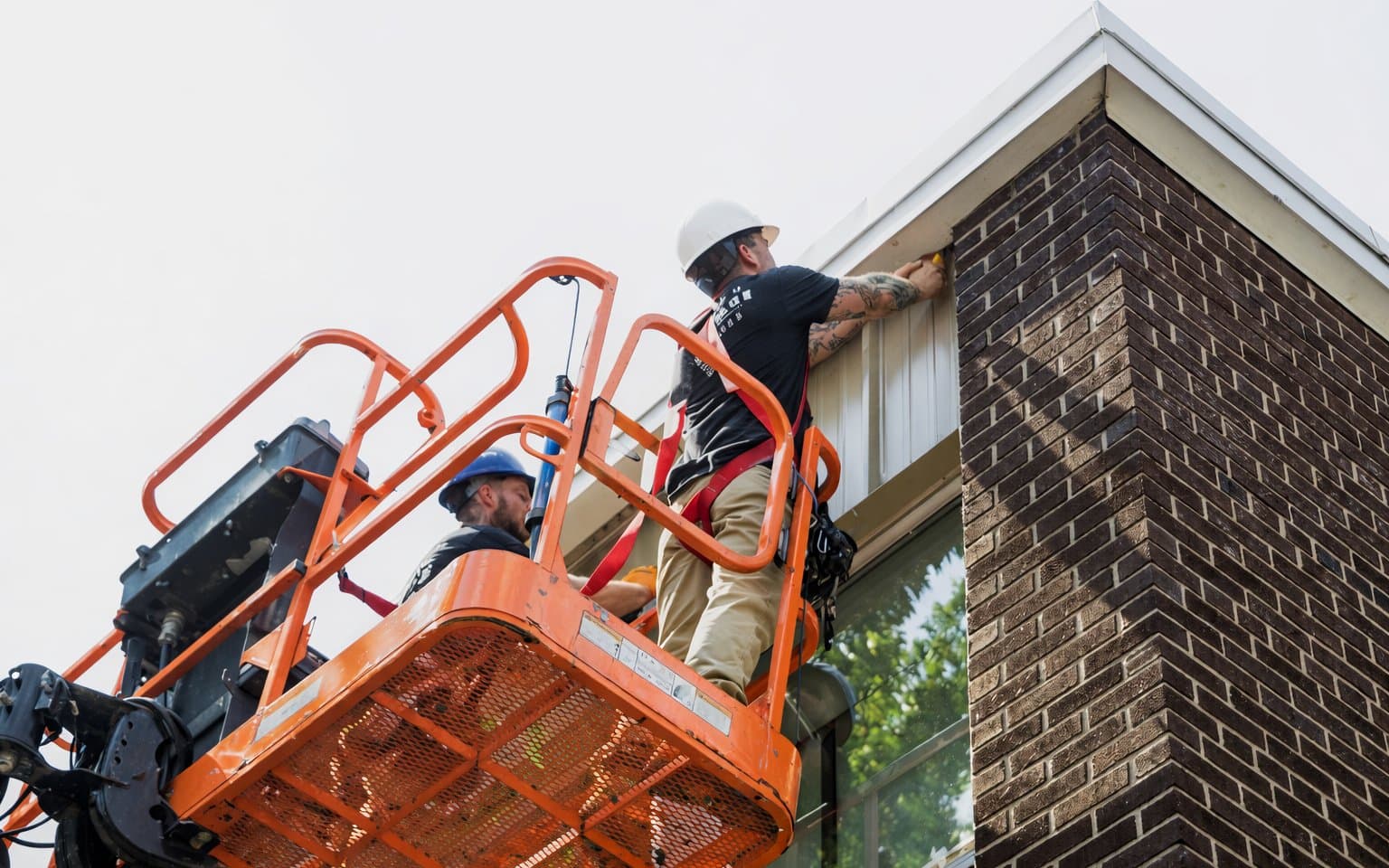
The principle is simple: fresh air comes in at the bottom and goes out at the top. The openings located under the roof overhangs, the soffits, let outdoor air in. This air then travels along the underside of the roof and exits through the vents placed higher up, carrying away excess moisture and heat with it.
For this path to work, the passage must stay clear above the insulation. That's the job of ventilation baffles, the deflectors that keep the insulation from blocking the soffits. When these intakes are obstructed or poorly designed, all airflow stops, even with vents in good condition on the roof.
Signs of poor ventilation
A poorly ventilated attic sends fairly clear signals once you know how to recognize them:
- Condensation, frost or droplets on the wood or nails in winter.
- Insulation that is damp, stained or clumped in places.
- A damp or musty smell when you open the attic hatch.
- Stifling heat under the roof during the summer.
- Ice building up along the roof overhangs in winter.
- Soffits visibly blocked by insulation or dust.
These signs often overlap with those of an underperforming attic, described in the article on the 6 signs your attic is poorly insulated.
Restoring good ventilation
Fixing attic ventilation doesn't mean redoing everything. In many cases, it comes down to clearing blocked soffits, installing or replacing ventilation baffles, and checking that the low air intakes and high exhaust vents are properly balanced.
What matters is to address ventilation at the same time as insulation, so the two work together rather than against each other. An attic assessment shows exactly what's missing. The team at Solution Isolation works on both aspects, so your attic stays healthy as well as efficient.
Frequently asked questions
Does ventilation replace insulation?
No. The two are complementary: insulation keeps the heat in the house, while ventilation keeps the attic dry and at the right temperature. Either one without the other gives poorer results.
Can an attic be over-ventilated?
What matters is the balance between air intakes and exhausts. The goal is sufficient, steady circulation, not an excessive draft. A professional adjusts the ventilation to suit the layout of the attic.
Do you need ventilation even when the attic is well insulated?
Yes, especially in that case. Good insulation without ventilation traps moisture instead of letting it escape. The two go hand in hand.
An attic that can't breathe? Have its ventilation assessed
Ventilation is the discreet half of a high-performing attic. Insulating well without ventilating risks condensation, moisture and insulation that delivers less than expected. Together, on the other hand, they protect your home all year round.
If you notice condensation, a damp smell or ice along the roof overhangs, have your attic ventilation checked. Request a free quote from Solution Isolation. Serving the South Shore, Quebec City, Gatineau and all across Quebec, the team makes sure your attic is as well ventilated as it is insulated.