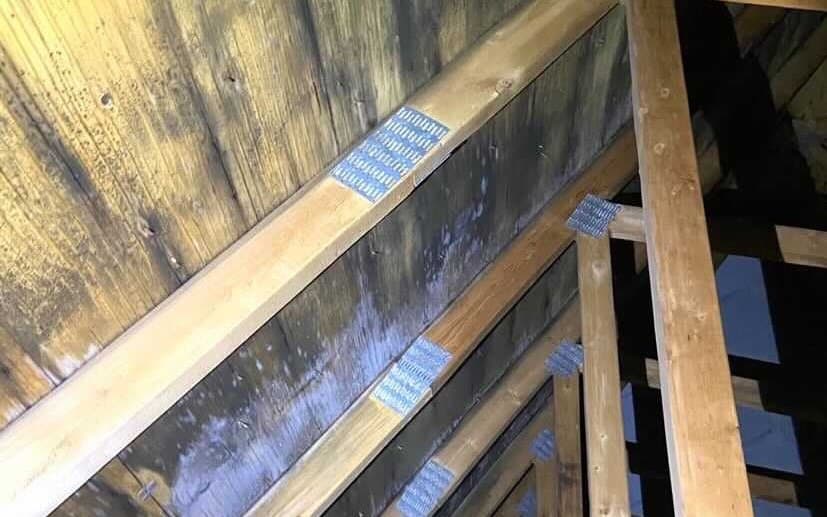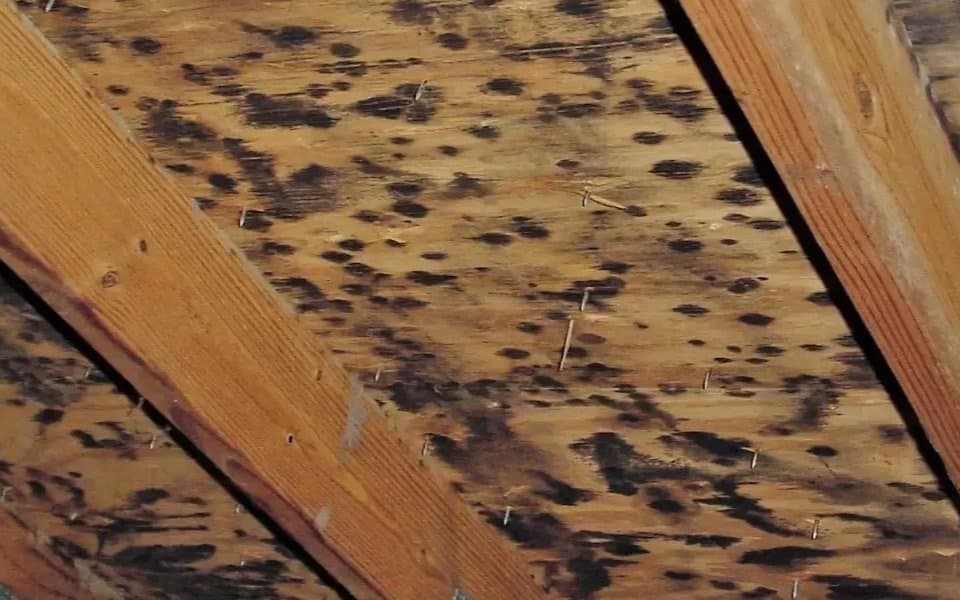
Upgrading your attic insulation is almost always a good decision. You gain comfort, you cut your heating bill and you protect your home from the cold. But there is one situation where this project has to stop dead before it even starts: when mold is already visible in the attic.
The temptation is strong to simply add insulation on top, telling yourself the problem will eventually go away, hidden under a fresh layer. Yet the opposite is what happens. Here is why, where the problem comes from and in what order to proceed.
The short answer
No, you should not add insulation over visible mold. Covering the problem does not eliminate it: it traps moisture, lets the mold gain ground and contaminates the new insulation in turn. The path forward is clear: have the area decontaminated, fix the cause of the moisture, and only then insulate. Because Solution Isolation offers both mold decontamination and insulation, the two steps can follow one another in the right order.
Insulating first would be like closing a wound without having cleaned it.
Why insulating over it solves nothing
Mold is a living organism that needs moisture to grow. As long as that moisture is present, adding insulation only gives it a new environment in which to spread, this time out of sight. The problem keeps progressing, unseen, for months.
On top of that come the consequences for your investment and for your home. New insulation laid over a contaminated area deteriorates and loses its effectiveness, to the point where it often has to be removed a few seasons later and everything started over. And because attic air partly circulates into the rest of the house, a contamination left in place does not always stay confined to the attic. The causes, dangers and solutions are detailed in the article on mold in the attic; here, the key point is that you never build on a damp base.
Where the moisture that feeds mold comes from
If mold keeps coming back despite cleanings, it is because its source has not been dealt with. And that source is almost always some form of poorly controlled moisture. In an attic, the usual culprits are poor ventilation that keeps humid air from escaping, a roof leak, a missing or punctured vapour barrier, or condensation that forms on cold surfaces in winter.
Understanding where the moisture comes from changes everything, because it is the moisture, not the mold itself, that must be neutralized. Cleaning without fixing the cause only pushes the problem back a few months. That is why decontamination is always accompanied by a correction of the underlying conditions. The appearance of attic condensation is, incidentally, one of the most common signs of this imbalance.
The right order: decontaminate, fix, then insulate
When mold and insulation meet in the same attic, a logical sequence is needed. You start by assessing the extent of the contamination and locating the source of moisture. Next, you decontaminate the affected materials. You fix the cause, whether it is ventilation, a leak or a faulty vapour barrier. And only at the end do you install the new insulation.
This order is not a formality. It is what guarantees that the insulation will work in a healthy, dry attic and deliver its full performance instead of trapping a problem. Reversing the steps almost always means paying twice.
What if the mold is minimal?
Not all situations are equal. A small, isolated, bone-dry spot does not necessarily call for the same intervention as an extensive contamination affecting the wood and insulation. But even then, the right approach is not to guess: it is to have the area assessed to know what you are dealing with.
An inspection makes it possible to tell a surface mark from an established problem, and to point toward the right solution. It also avoids two opposite extremes: panicking over a harmless trace, or downplaying a real problem. The goal remains the same, to get back to a healthy, dry attic before adding anything to it.
Before adding insulation, check
Before starting an attic insulation project, a few points deserve a look. If any of them is present, it is better to have the area decontaminated or assessed before insulating:
- Dark spots or visible mold on the wood or insulation.
- A musty or stale smell when you open the hatch.
- Condensation, frost or dampness on surfaces.
- Existing insulation that is stained, damp or clumped in places.
- A source of moisture that was never dealt with, such as poor ventilation or a leak.
That last point is often the most decisive: as long as moisture is not under control, mold always ends up coming back, no matter how good the insulation installed on top of it.
Mold in your attic? Deal with it before insulating
Adding insulation is an excellent idea, provided it goes over a healthy attic. If mold is already present, treating it first protects both your home and your future investment in insulation. One does not work without the other.
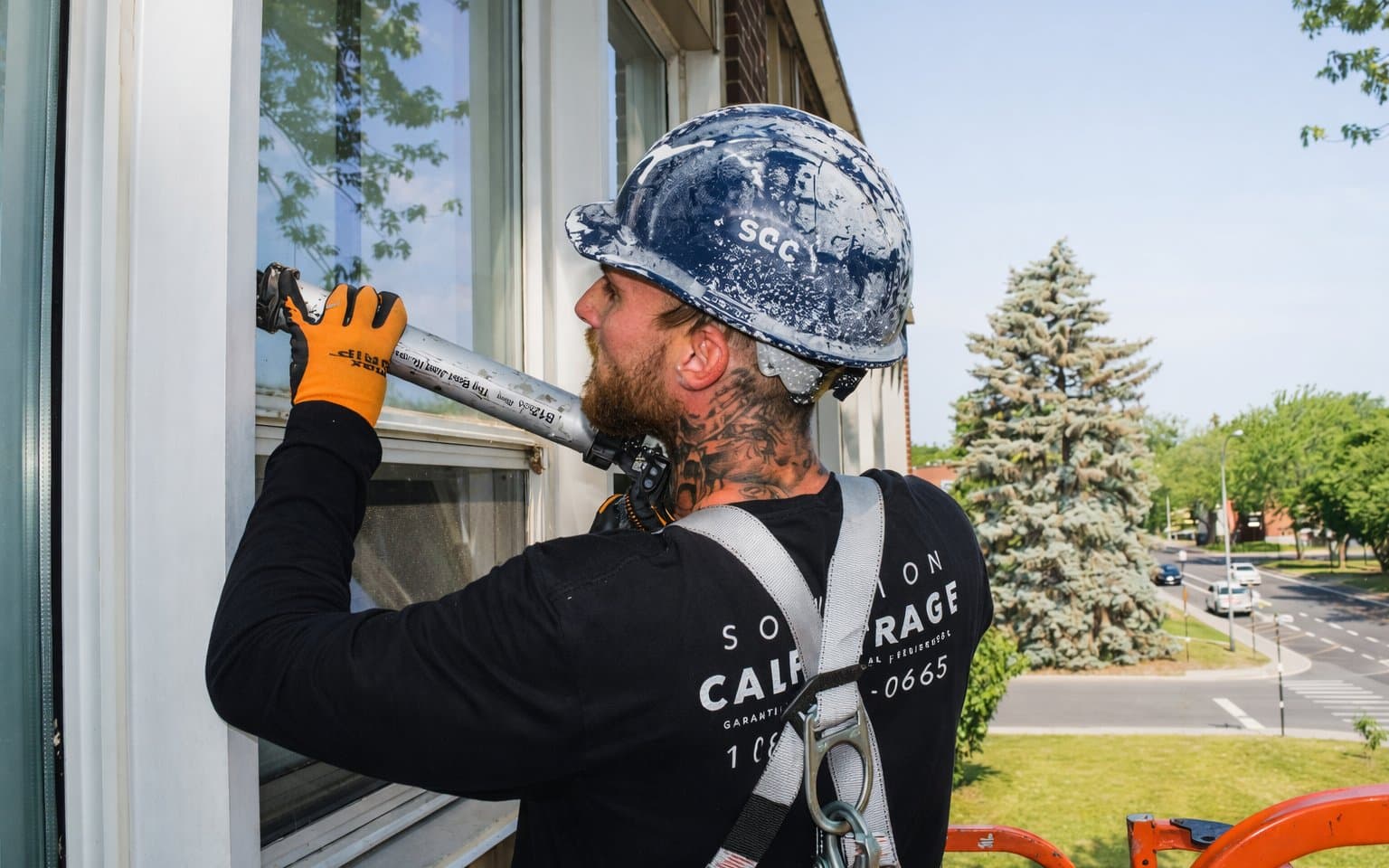
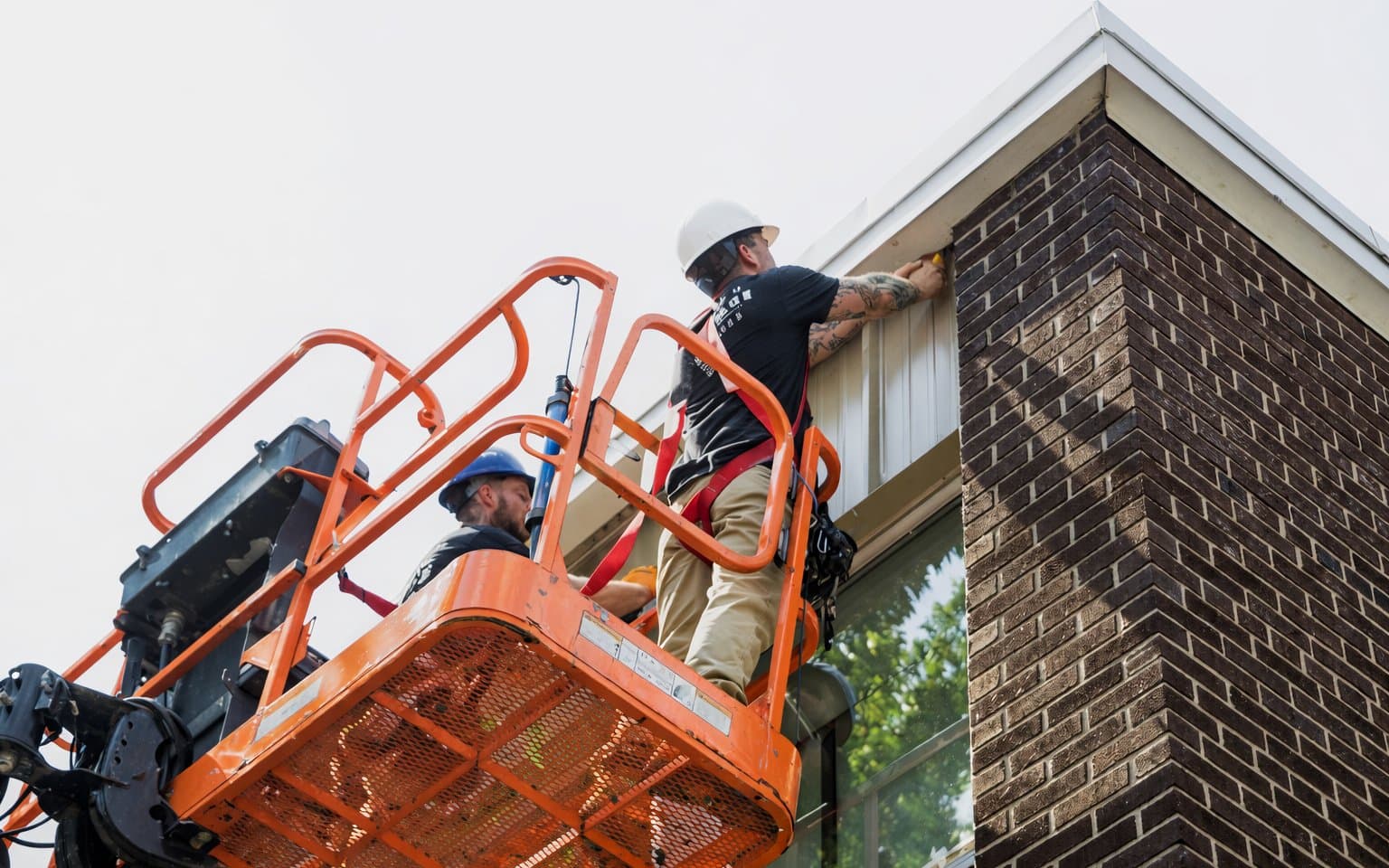
Before undertaking any work, have the condition of your attic assessed by the team at Solution Isolation. Request a free quote. Serving the South Shore, Quebec City, Gatineau and all across Quebec, the team handles decontamination as well as insulation, in the right order, from the cause all the way to the final insulation.